
Latest posts
-
What is the Beer Bitterness Scale (IBU)?
IBU stands for International Bitterness Units. It’s a number that measures how much bitterness is in a beer, mostly from the hops. But, just to keep it from being too simple, IBU is a chemical number, not a tasting score. Two beers with the same IBU can taste very different. That’s why, as a homebrewer,…
-
What is the SRM and Beer Color Scale?
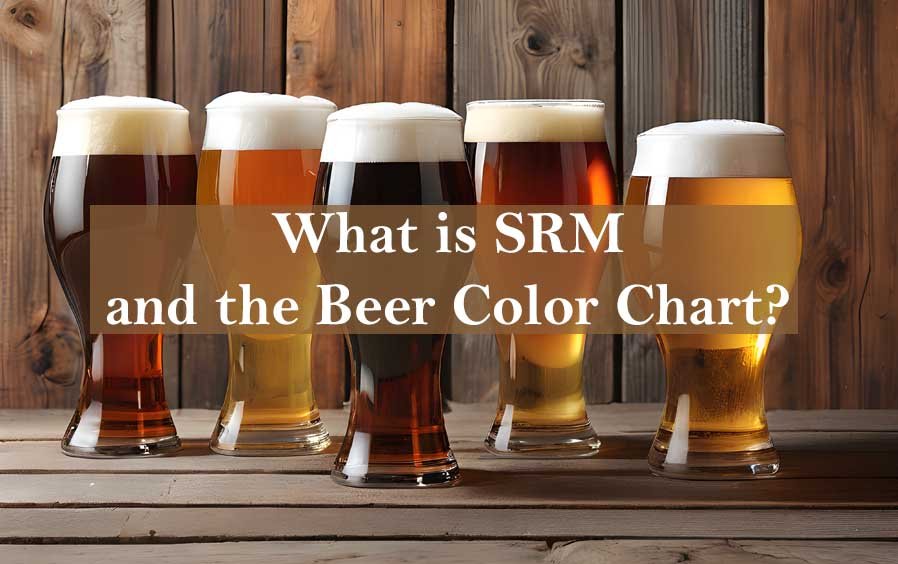
Understanding Standard Reference Method (SRM) to Measure a Beer’s Color For most beer drinkers, they may know whether they prefer lighter or darker brews, but the exact shade remains unimportant. However, behind the scenes, brewers have a deep appreciation for the intricacies of beer color. In its simplest terms, SRM, or Standard Reference Method, is a…
-
Best Low-Attenuation Yeast Strains
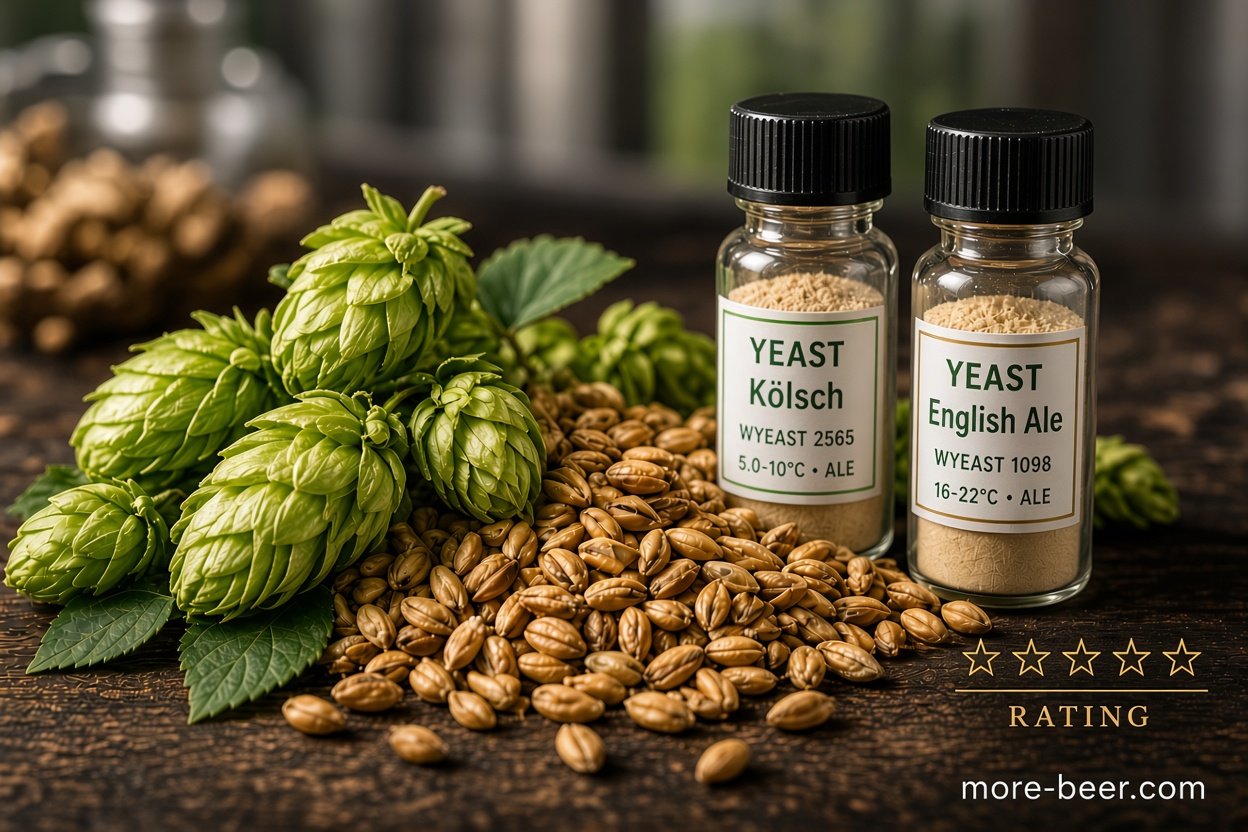
Popular Yeast Strains on the Lower Ends of Attenuation Popular low-attenuation yeast strains for homebrewers are typically listed around 63–75%. As we mentioned here, What is Yeast Attenuation?, the attenuation rate ranges from 62% to 85%. The lower the attenuation rate, the more the yeast strain brings malt character forward with more sweetness and body.…
-
Yeast Attenuation and Flocculation
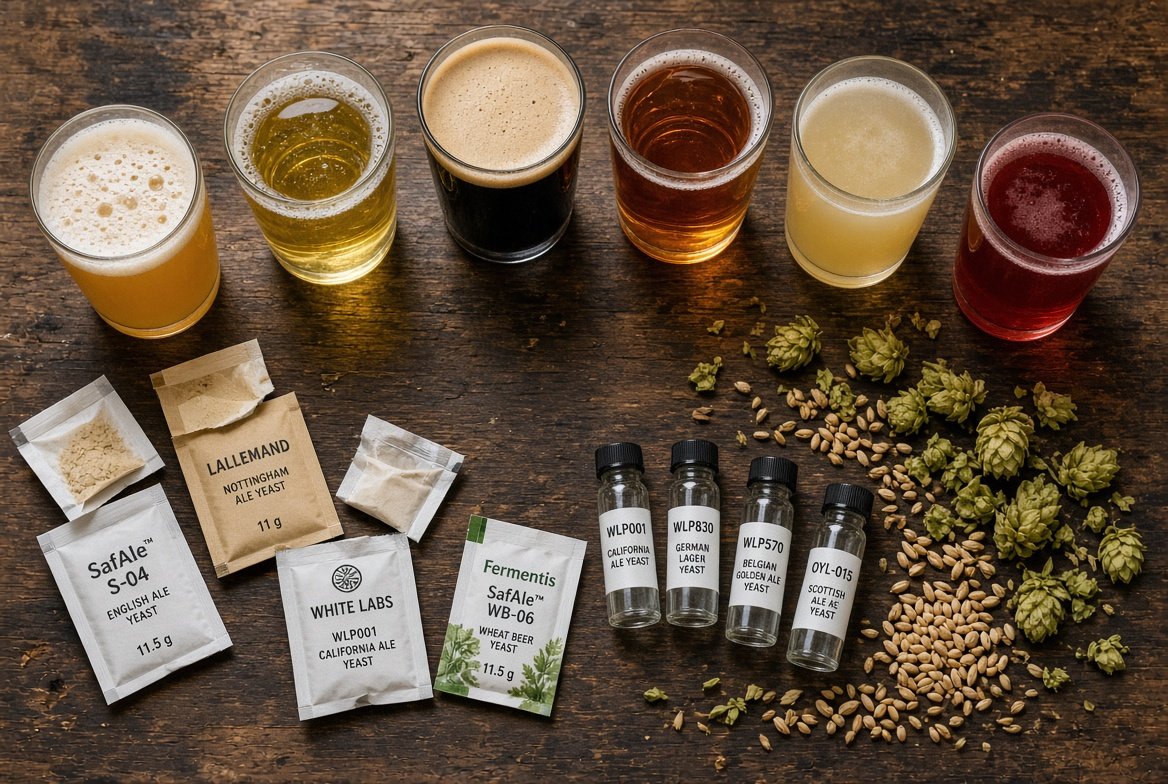
What is Yeast Attenuation and Flocculation, and Why Does it Matter? Check any packet of beer yeast, and it usually lists four things: attenuation, flocculation, alcohol tolerance, and optimum temperature range. The last two are pretty obvious and straightforward. The first two, attenuation and flocculation, were terms I never fully understood. I found a lot…
-
Beer Styles and Yeast Recommendations
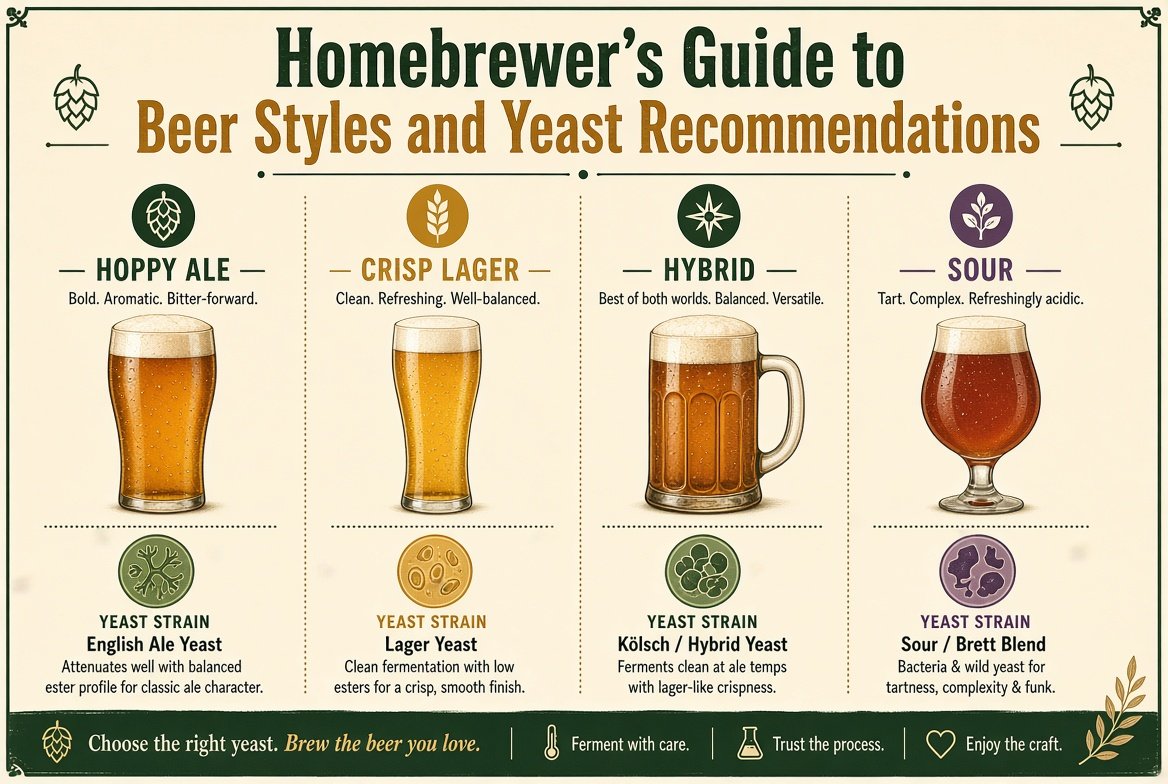
Homebrewer’s Guide to Beer Styles and Yeast Recommendations Selecting the yeast for your homebrew is one of the biggest factors determining your beer’s flavor profile, aroma, body, and finish. The right strain can make an IPA taste clean and hop-forward, give a wheat beer its signature banana and clove notes, or create the crisp finish…
-
Belgian Witbier Recipe Review
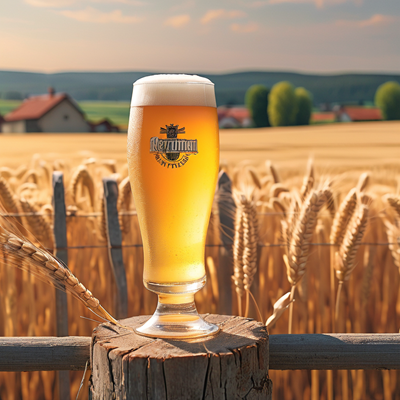
“Witbier” translates from Flemish/Dutch to “white beer,” referring to its pale, cloudy appearance caused by suspended yeast and unmalted wheat proteins. It originated in the 14th century in the Flemish region of Belgium, with the village of Hoegaarden widely regarded as its birthplace. Commercial examples in the US include Shock Top and Blue Moon. Our…
-
Brewer’s Best Imperial Pale Ale
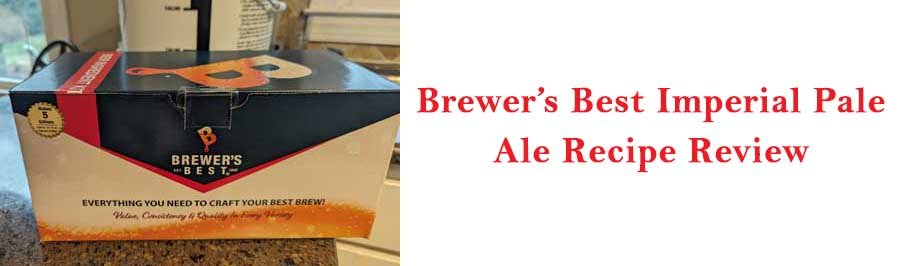
Brewer’s Best Imperial Pale Extract Recipe Review Brewer’s Best is one of our top-rated homebrew stores. Brewer’s Best describes this ale as “a 5-gallon extract beer-making ingredient kit modeled after big, bold West Coast strong ales.” I bought this recipe kit on Amazon for $49.50 and free shipping via my Amazon Prime account The recipe…
-
Brewer’s Best Continental Pilsner Review
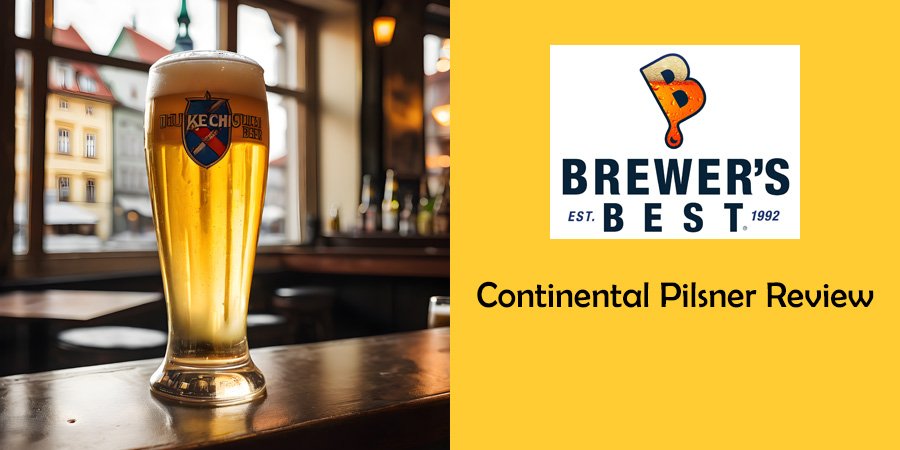
Brewer’s Best extract recipe kits are a great entry for beginners. Frankly, I still enjoy brewing with them after 6 years of extract brewing. They are inexpensive, and the recipe kits come with yeast, priming sugar, and bottle caps. Their Continental Pilsner recipe is an homage to the Czech Pilsner, but with a lot less…
-
Recipe Review: Peach Hazy New England IPA
I have always enjoyed a crisp, hazy New England IPA. They are usually a bit less hoppy than some other IPA styles. They are also known for being fruit-forward. I live in the Southeast, where peaches are grown everywhere. Heck, just down I-85 from me in Gaffney, SC, there is a water tower that looks…
-
Patersbier Recipe Review
A patersbier (Dutch for “father’s beer”), also known as a Trappist Single or enkel, is a light, easy-drinking Belgian ale traditionally brewed by Trappist monks for their own daily consumption. This is a simple beer, made with pilsner malt, hops, and a specialty yeast developed by monks in Western Belgium. We recommend fermenting at the lower end…