
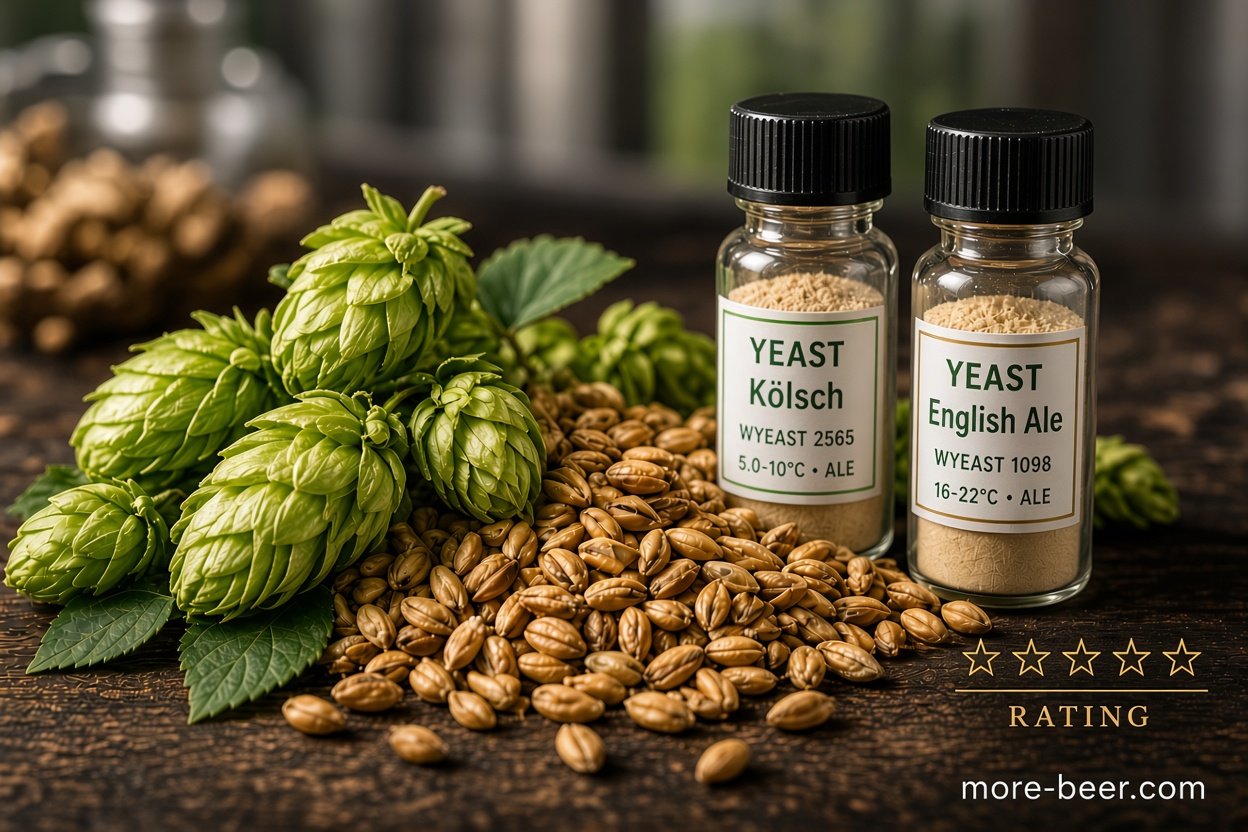
Popular Yeast Strains on the Lower Ends of Attenuation
Popular low-attenuation yeast strains for homebrewers are typically listed around 63–75%. As we mentioned here, What is Yeast Attenuation?, the attenuation rate ranges from 62% to 85%.
The lower the attenuation rate, the more the yeast strain brings malt character forward with more sweetness and body. There are several English-style and related ale strains from White Labs, Wyeast, Fermentis, and others that are in the low-attenuation range.
If you want a maltier, fuller-bodied brew, try one of these yeasts.
These are manufacturer-listed apparent attenuation ranges (which can vary with wort composition, mash temperature, pitching rate, temperature, and yeast health—actual results are often lower with higher mash temps or less fermentable worts).
Popular Low-Attenuating Yeast Options
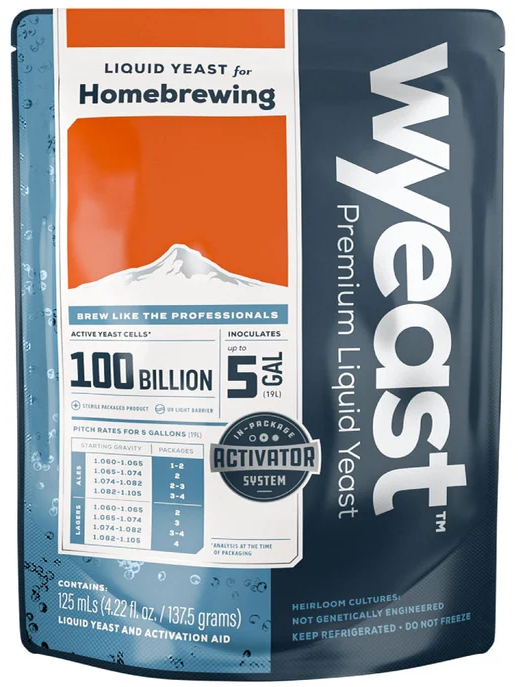
- White Labs WLP002 English Ale (Fuller’s-derived; very common for English bitters, milds, porters, stouts): 63–70% (some listings 67–70%). Very high flocculation. The final result creates a malt-forward beer with a sweeter finish.
- Wyeast 1968 London ESB Ale (equivalent/similar to WLP002): 67–71%. Extremely flocculent; malty character with a slightly sweeter finish. Popular with English ales, bitters, and ESBs.
- Wyeast 1469 West Yorkshire Ale (Timothy Taylor-derived): 67–71%. High flocculation; strong malt character with nutty/stone-fruit esters; excellent for bitters, ESBs, milds, and other English and Irish-style ales.
- White Labs WLP011 European Ale (or Wyeast 1338 European Ale): 65–70% (Wyeast often listed ~67–71%). Medium flocculation; clean, malty profile; useful for Altbier, Kölsch-style, malty English ales, and fruit beers.
- Fermentis SafAle S-33: 68–72% (sometimes noted around 70%). Medium sedimentation; fruity, full-bodied character that enhances mouthfeel; popular for Belgian-style ales, strong English ales, and even some NEIPAs.
Other Notable Low-Attenuation or Related Strains
- Wyeast 1099 Whitbread Ale / similar English strains: Often in the 68–72% range.
- Wyeast 1187 Ringwood Ale: Around 68–72%; high flocculation with fruity/malty notes.
- Wyeast 1332 Northwest Ale: Listed around 67–71%.
- Mangrove Jack’s M79 Burton Union or certain English dry yeasts: Often perform in the mid-to-high 60s to low 70s in practice (manufacturer ranges vary).
English strains (especially the Fuller’s/London ESB family) are the most frequently recommended for intentionally lower attenuation among homebrewers because they leave residual sugars that enhance body and residual sweetness without necessarily tasting “stuck.” Belgian/wit strains or certain wheat yeasts can also land lower (e.g., some around 70–75%), but English ones dominate the “low end” for everyday use.
Note: Always check the current manufacturer datasheet, as ranges can be updated. Attenuation is relative. Pairing a “low” attenuation yeast with a highly fermentable wort (low mash temp, highly modified malt) can still yield higher attenuation. For more residual body, mash higher (e.g., 154–158°F / 68–70°C) or include less-fermentable specialty malts. Dry options like S-33 are convenient and widely available; liquid strains from White Labs/Wyeast/Omega offer classic flavor profiles but have a shorter shelf life and need to remain cold until used.
In short, liquid strains give classic flavor profiles that many brewers prefer, but they demand more attention to refrigeration, freshness dating, tighter fermentation temperature ranges, and sometimes starters. Dry yeast is more “set it and forget it” in terms of storage and handling.