
Blog Categories
- Beer Recipe Reviews (7)
- Calculators (3)
- Home Brewing (3)
- Hops (3)
- Yeast (3)
Latest posts
-
Best Hop Varieties for Homebrewers (With Flavor Notes)
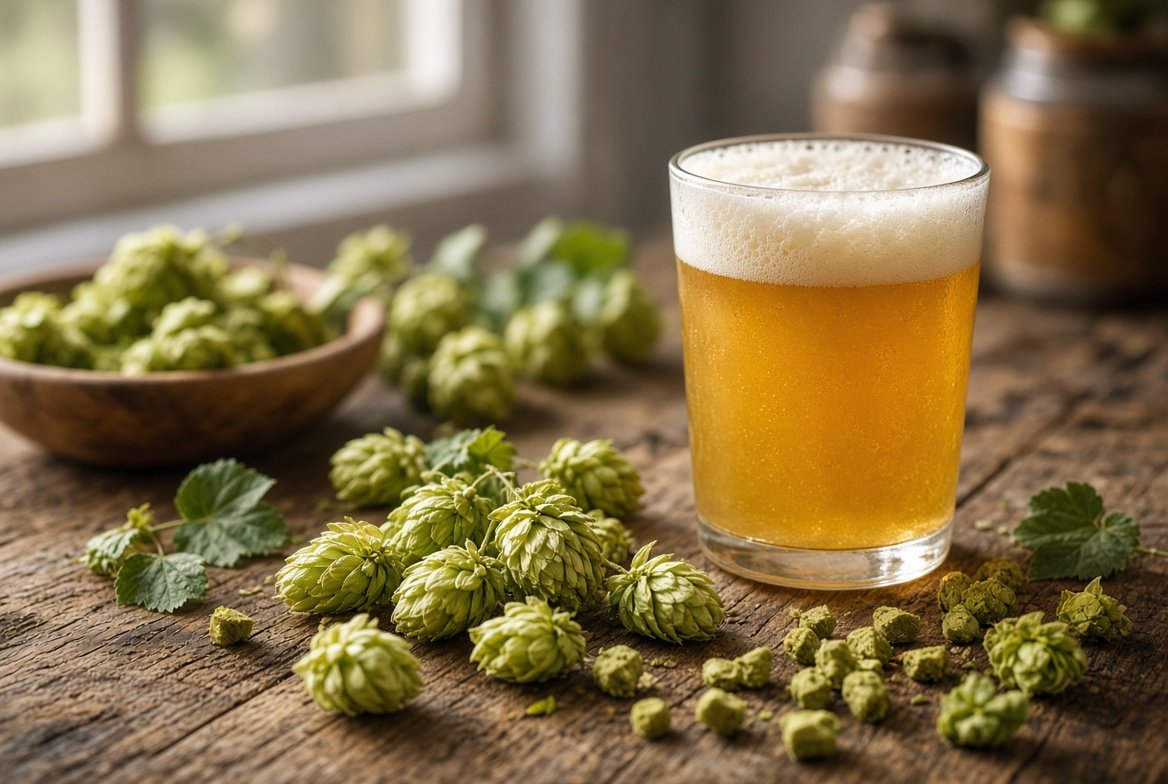
Major hop varieties available to most homebrewers fall into several classic groups (plus modern cultivars), each with distinctive flavor and aroma profiles. These are widely stocked as pellets by suppliers and work across styles. Profiles are strongest with late additions (flavor), whirlpool, or dry-hopping (aroma); early boil additions mainly contribute bitterness via alpha acids. Exact…
-
Different Forms of Hops for Homebrewing (Pros & Cons)
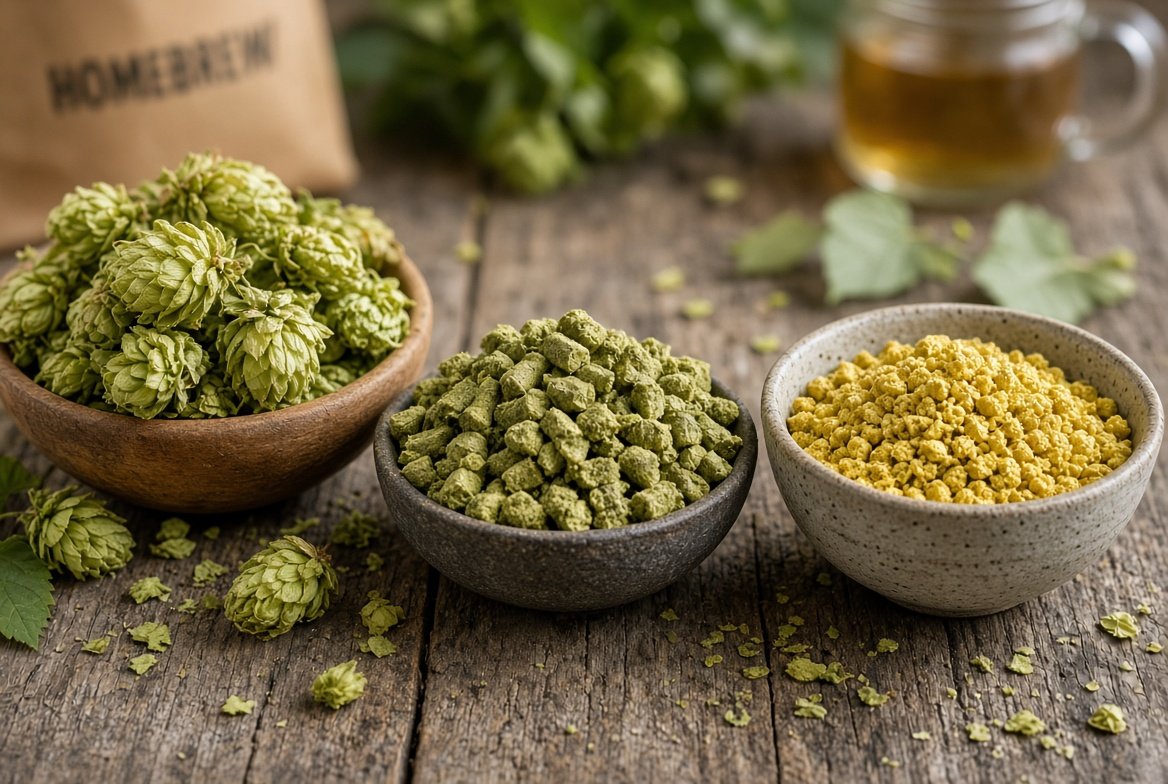
I know a few homebrewers who swear by whole hop cones. I know two who buy root cuttings, called hop rhizomes, and grow their own hops. I am not quite that sophisticated, I am a humble extract brewer who mostly utilizes hop pellets. Go to most of our top-rated online beer stores, and you can…
-
What is the Beer Bitterness Scale (IBU)?
IBU stands for International Bitterness Units. It’s a number that measures how much bitterness is in a beer, mostly from the hops. But, just to keep it from being too simple, IBU is a chemical number, not a tasting score. Two beers with the same IBU can taste very different. That’s why, as a homebrewer,…
-
What is the SRM and Beer Color Scale?
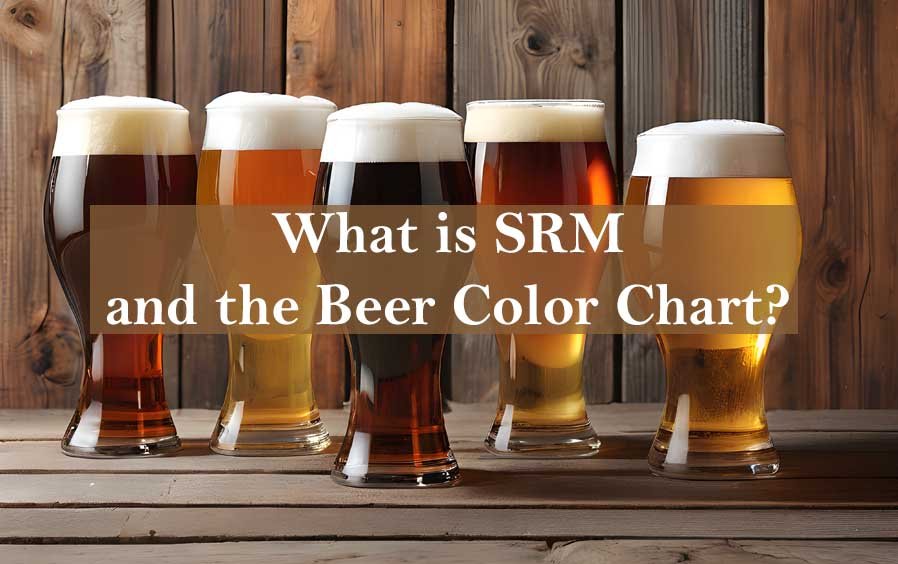
Understanding Standard Reference Method (SRM) to Measure a Beer’s Color For most beer drinkers, they may know whether they prefer lighter or darker brews, but the exact shade remains unimportant. However, behind the scenes, brewers have a deep appreciation for the intricacies of beer color. In its simplest terms, SRM, or Standard Reference Method, is a…
-
Beer Calorie Calculator
Beer calories come from two primary sources Ever wonder how many calories are in that beer you’re enjoying? Whether you’re tracking what you drink or just curious about your latest batch, this simple calculator makes it easy. Just enter the serving size and ABV, and you’ll get a quick estimate of total calories, plus a…
-
Malt Extract Conversion Calculator
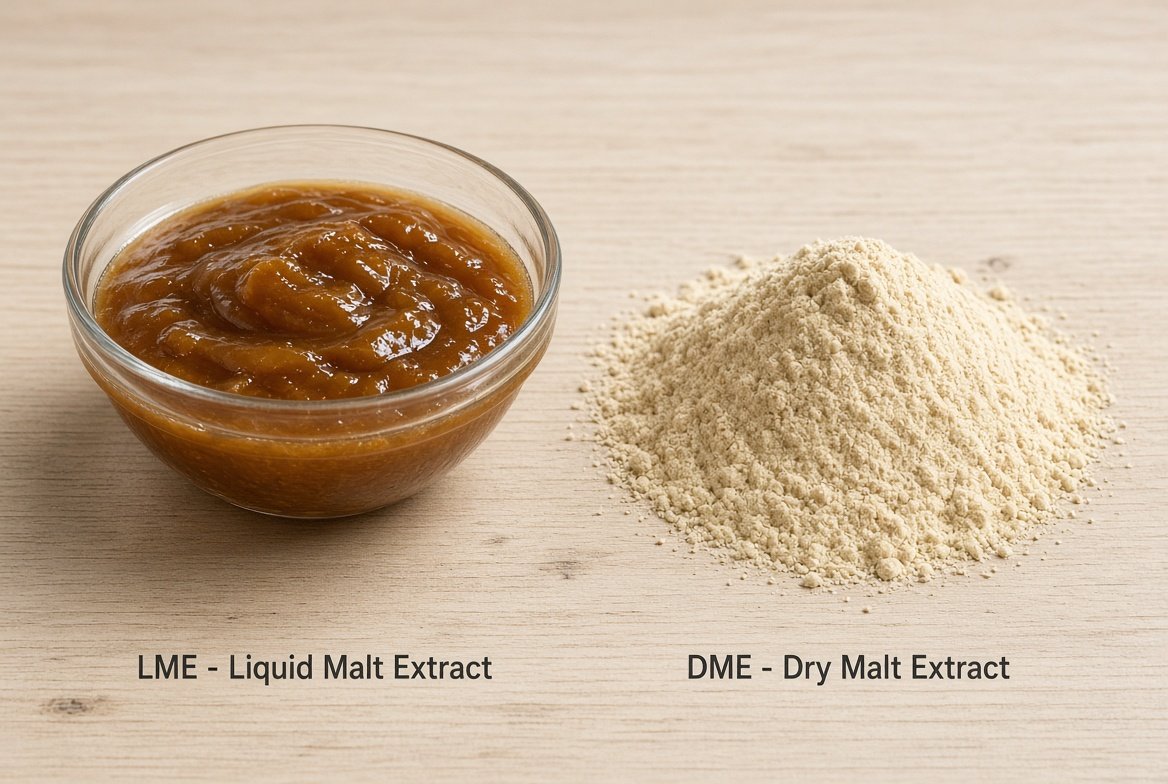
Why Convert Between LME and DME? Liquid Malt Extract (LME) and Dry Malt Extract (DME) are both concentrated forms of the sugars that come from malted grain. They can be used interchangeably in most recipes, but they are not equal by weight. LME is a thick syrup that still contains about 20% water. DME is…
-
Beer Attenuation and ABV Calculator
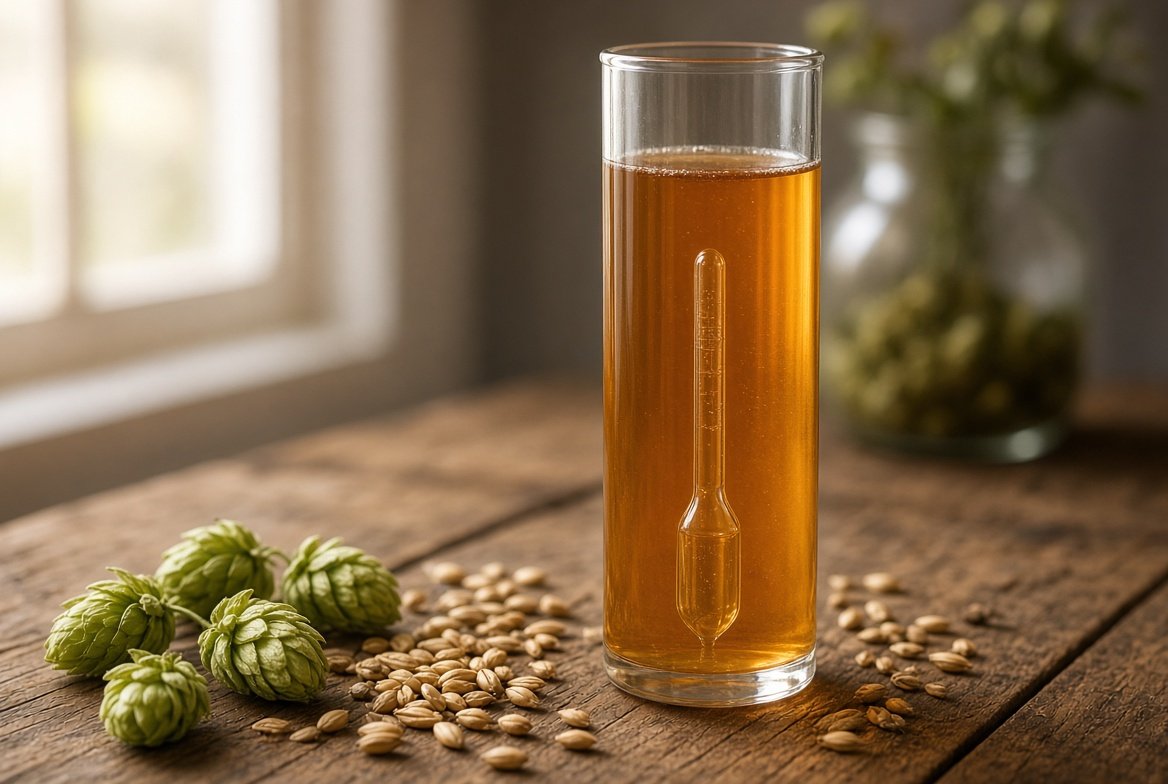
Your Beer Attenuation & ABV Calculator: Brewing Math Made Simple Whether this is your first batch or your fiftieth, figuring out how your beer turned out is one of the most satisfying parts of the process. That’s exactly what this little calculator is for. Just punch in two numbers, your original gravity and your final…
-
Best Low-Attenuation Yeast Strains
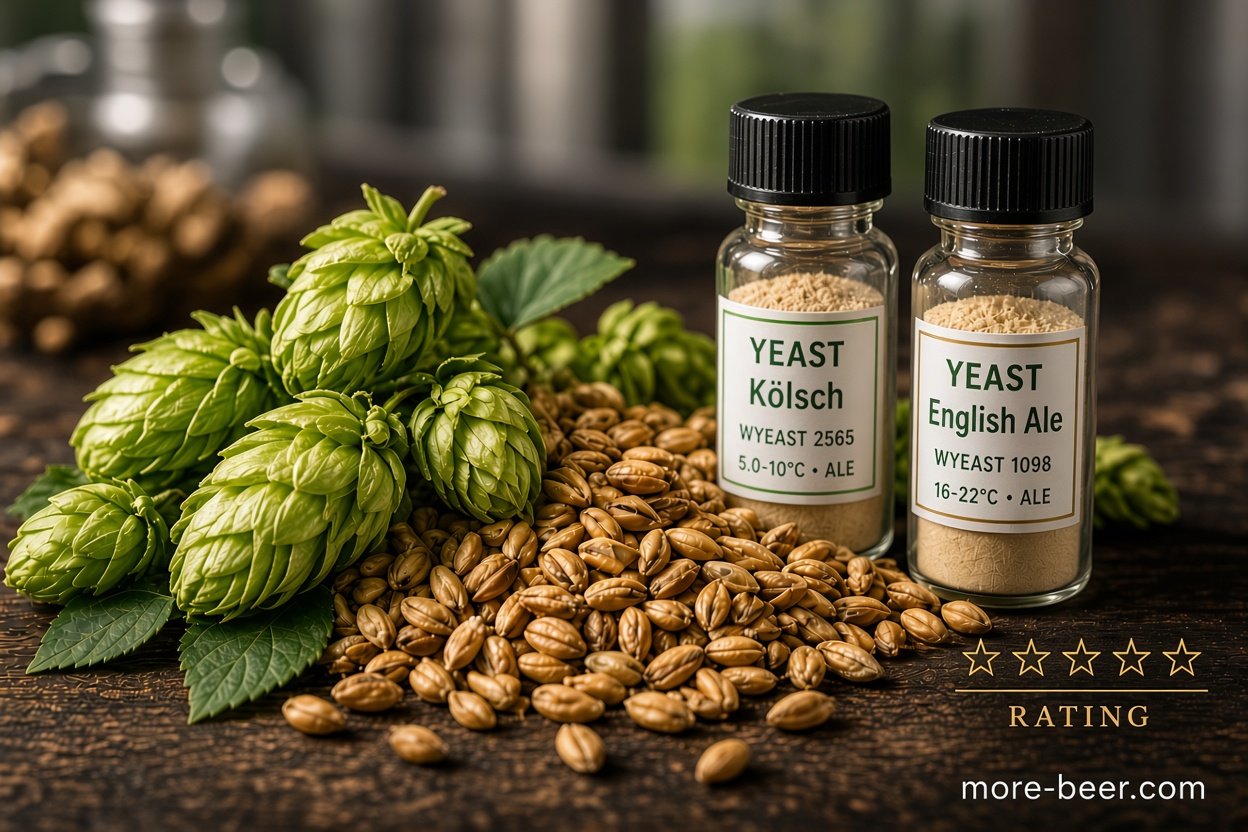
Popular Yeast Strains on the Lower Ends of Attenuation Popular low-attenuation yeast strains for homebrewers are typically listed around 63–75%. As we mentioned here, What is Yeast Attenuation?, the attenuation rate ranges from 62% to 85%. The lower the attenuation rate, the more the yeast strain brings malt character forward with more sweetness and body.…
-
Yeast Attenuation and Flocculation
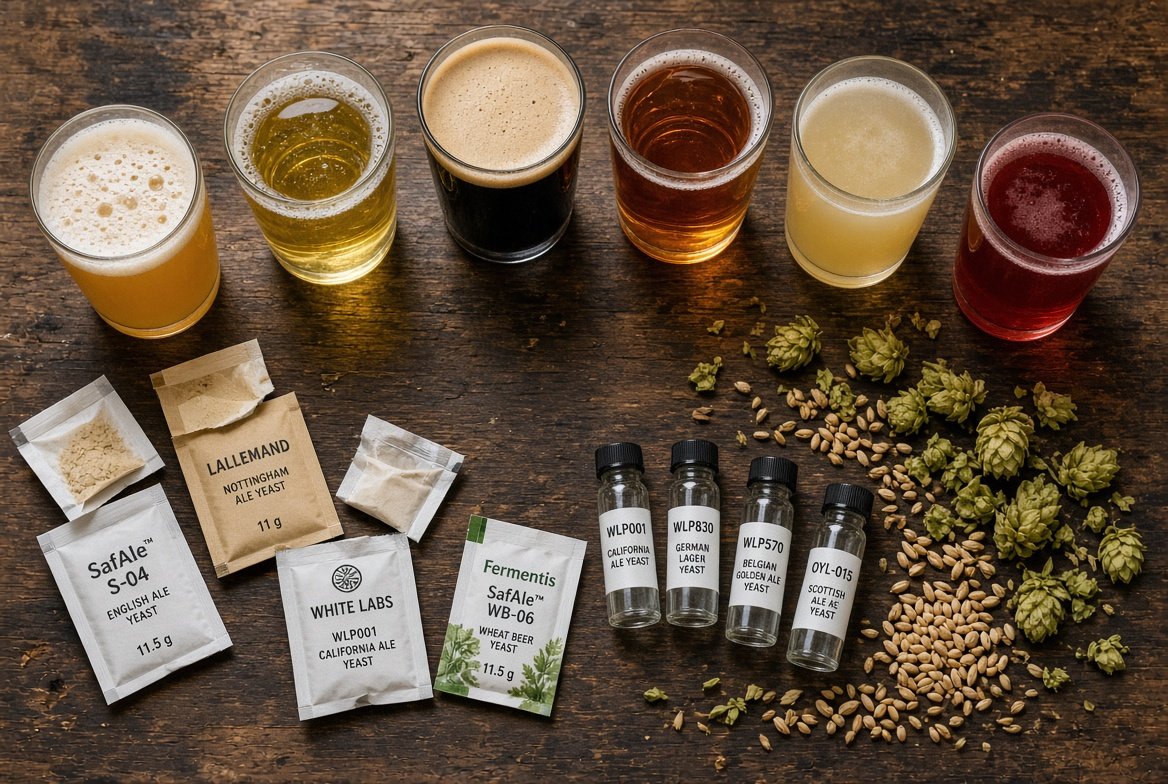
What is Yeast Attenuation and Flocculation, and Why Does it Matter? Check any packet of beer yeast, and it usually lists four things: attenuation, flocculation, alcohol tolerance, and optimum temperature range. The last two are pretty obvious and straightforward. The first two, attenuation and flocculation, were terms I never fully understood. I found a lot…
-
Beer Styles and Yeast Recommendations
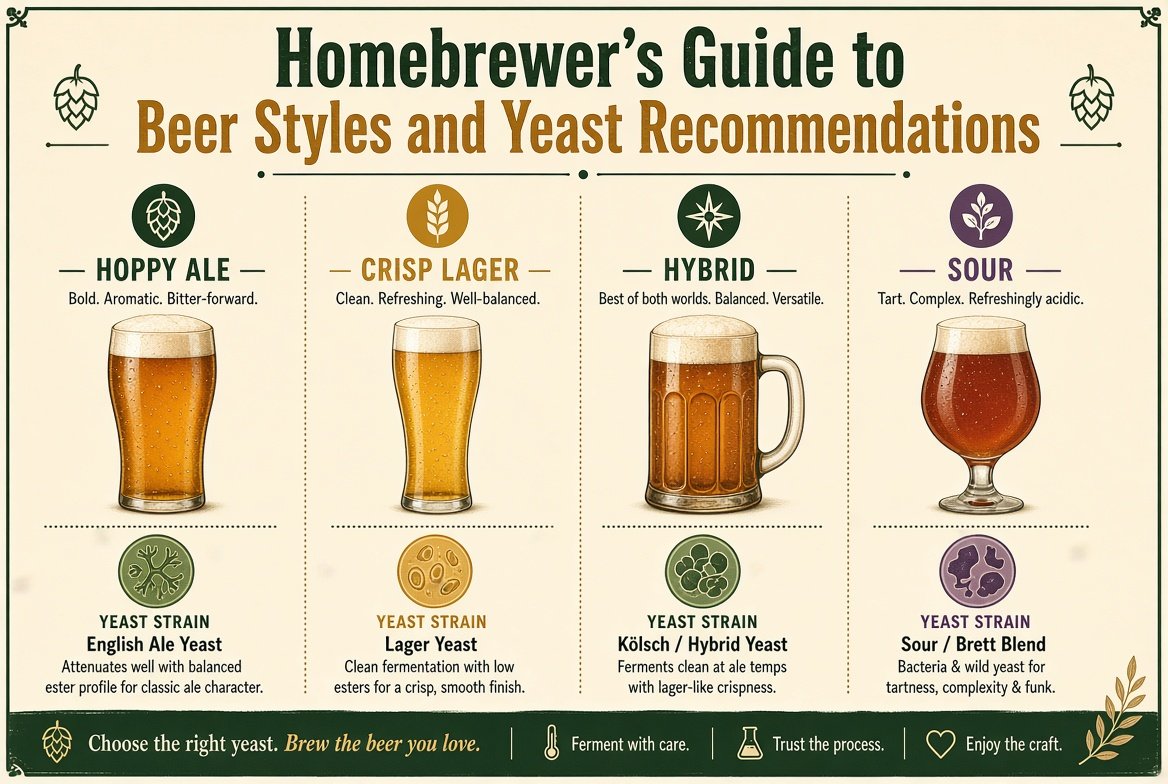
Homebrewer’s Guide to Beer Styles and Yeast Recommendations Selecting the yeast for your homebrew is one of the biggest factors determining your beer’s flavor profile, aroma, body, and finish. The right strain can make an IPA taste clean and hop-forward, give a wheat beer its signature banana and clove notes, or create the crisp finish…