
Latest posts
-
Pros and Cons of Liquid vs Dry Yeast for Homebrewing
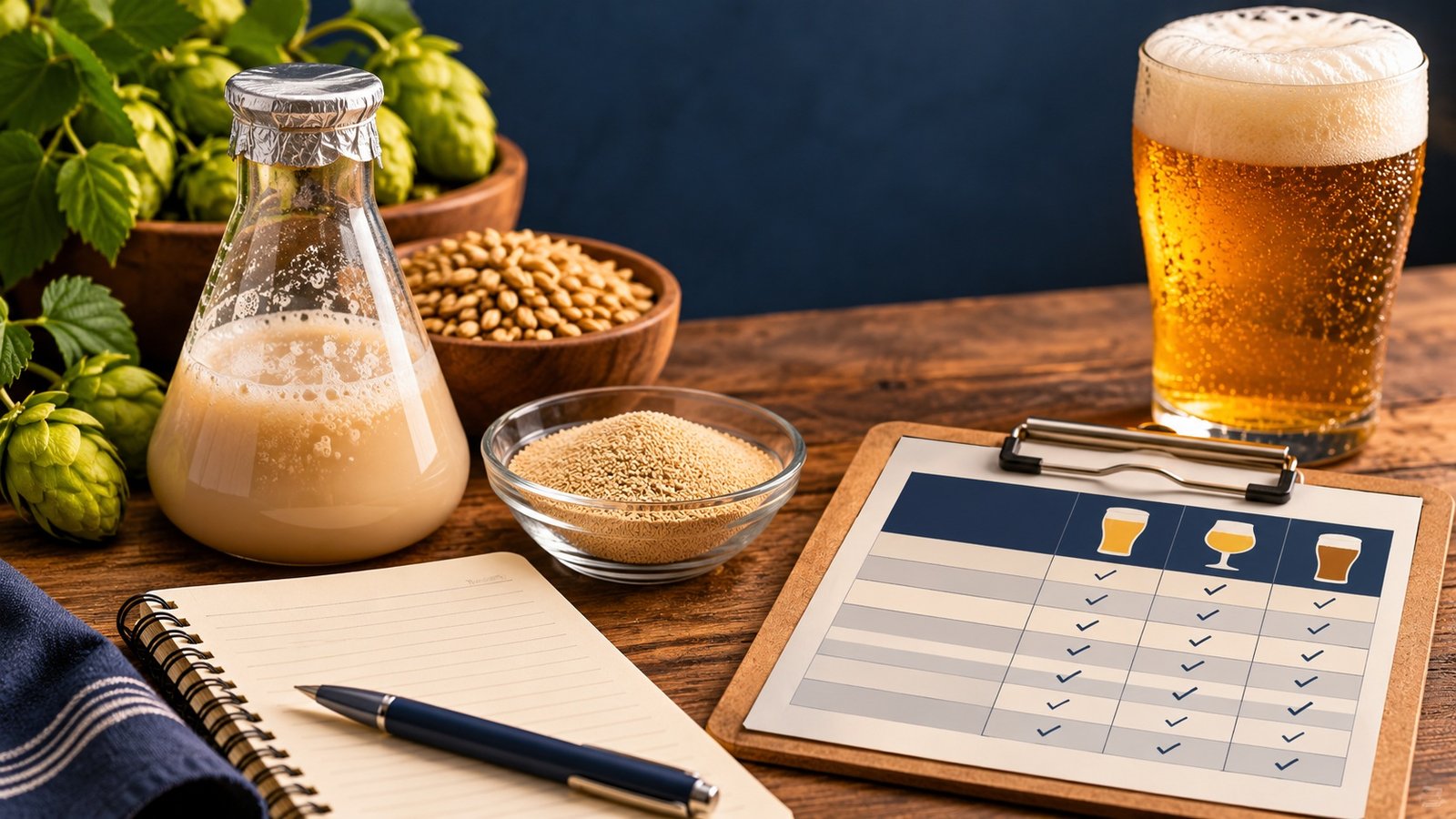
Liquid vs. Dry Yeast for Homebrewing: Differences, Pros, Cons & When to Use Each When it comes to brewing great beer, yeast is one of the most important ingredients in your recipe. But walk into any homebrew shop, and you’ll quickly face a decision: should you use liquid yeast or dry yeast? Both can produce…
-
Best Liquid & Dry Yeast Brands for Homebrewing
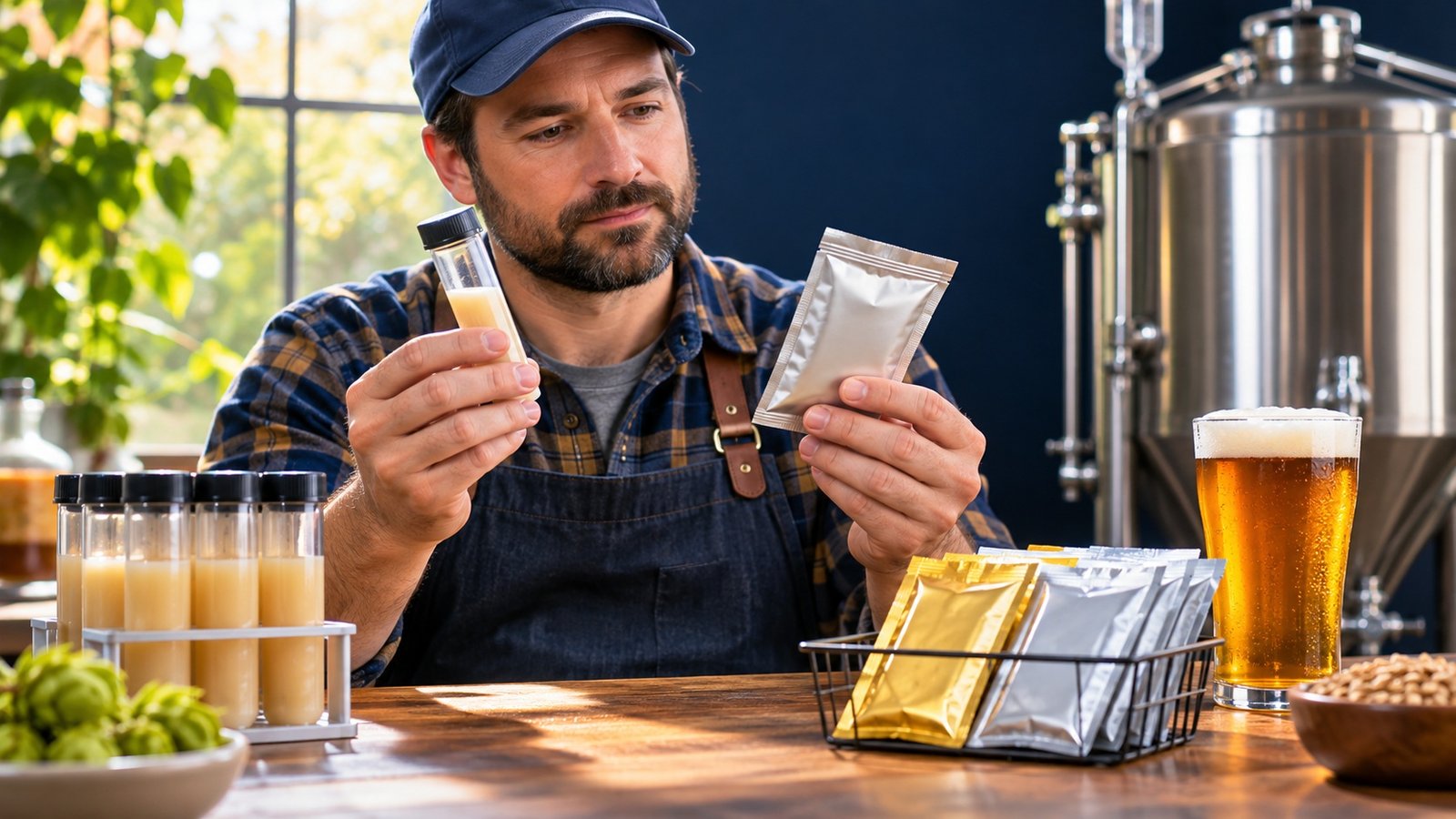
When it comes to brewing great beer, yeast plays a much bigger role than many homebrewers realize. Beyond simply converting sugars into alcohol, the yeast you choose can influence everything from flavor and aroma to mouthfeel and the overall character of your beer. Fortunately, today’s homebrewers have plenty of excellent yeast options to choose from.…
-
Best Low-Attenuation Yeast Strains
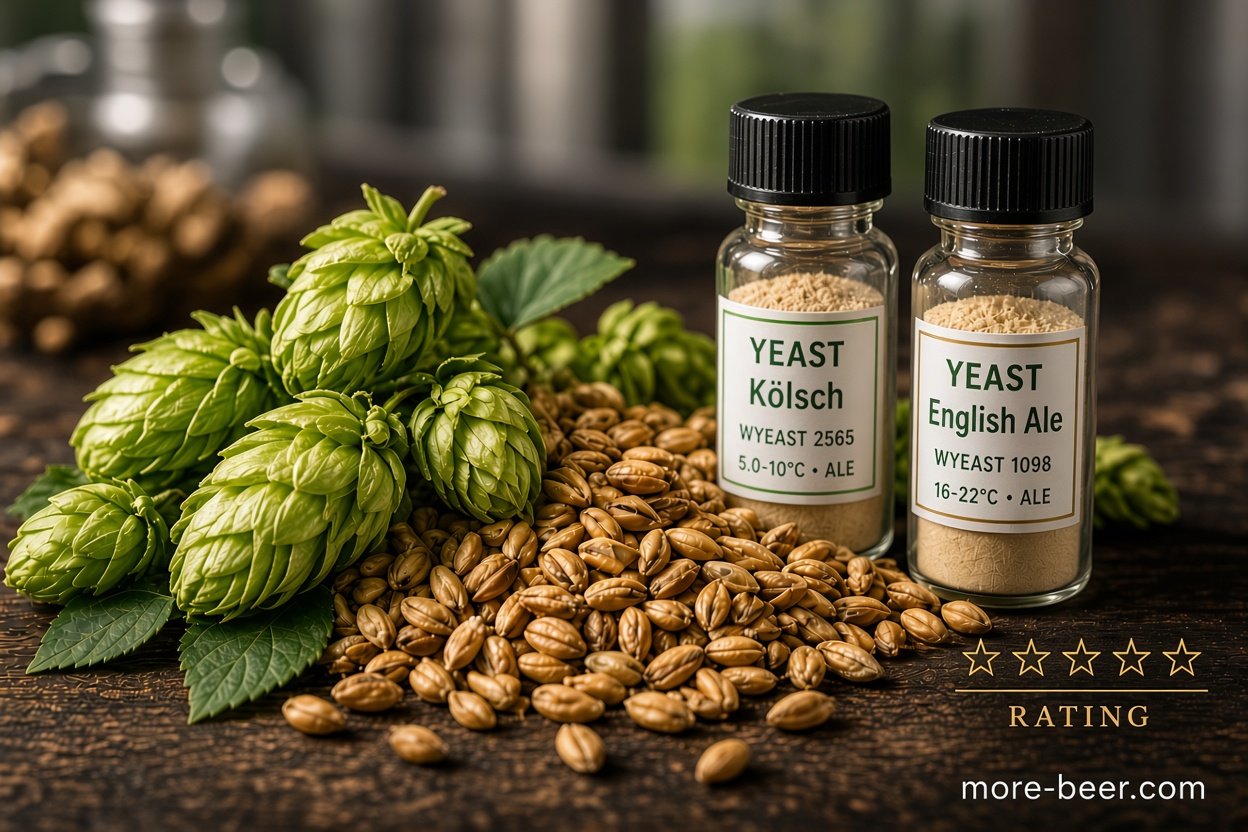
Popular Yeast Strains on the Lower Ends of Attenuation Popular low-attenuation yeast strains for homebrewers are typically listed around 63–75%. As we mentioned here, What is Yeast Attenuation?, the attenuation rate ranges from 62% to 85%. The lower the attenuation rate, the more the yeast strain brings malt character forward with more sweetness and body.…
-
Yeast Attenuation and Flocculation
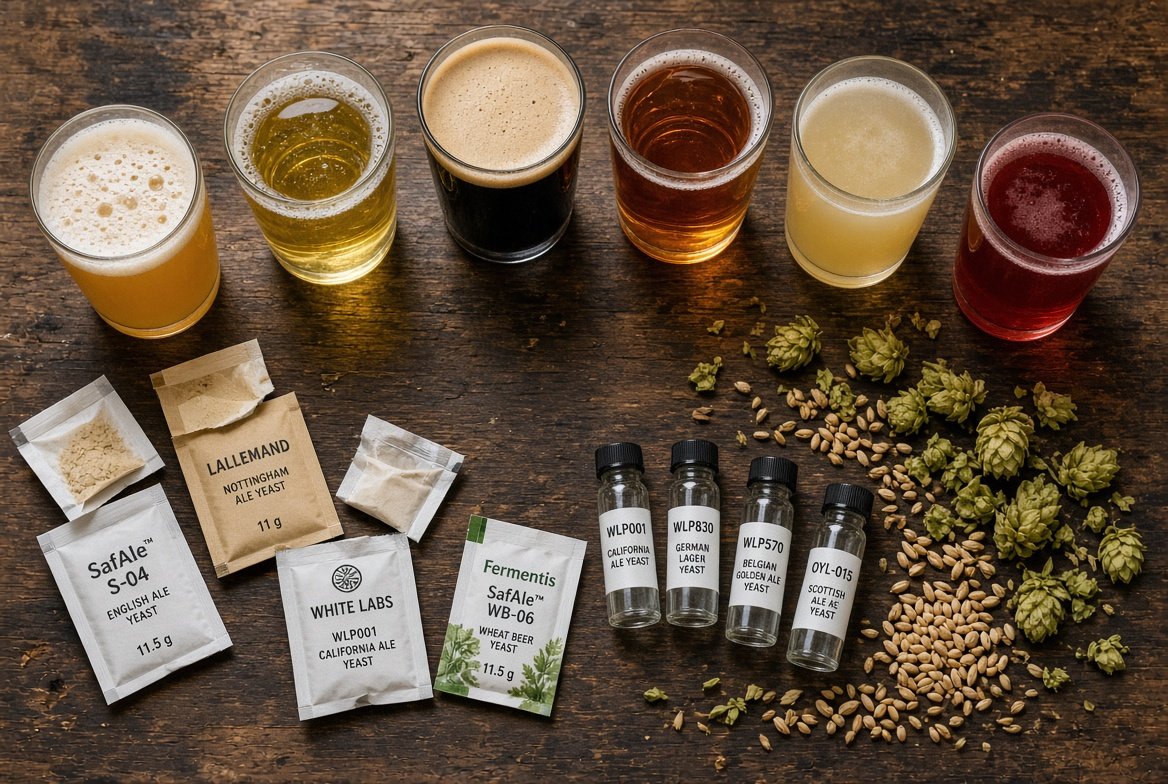
What is Yeast Attenuation and Flocculation, and Why Does it Matter? Check any packet of beer yeast, and it usually lists four things: attenuation, flocculation, alcohol tolerance, and optimum temperature range. The last two are pretty obvious and straightforward. The first two, attenuation and flocculation, were terms I never fully understood. I found a lot…
-
Beer Styles and Yeast Recommendations
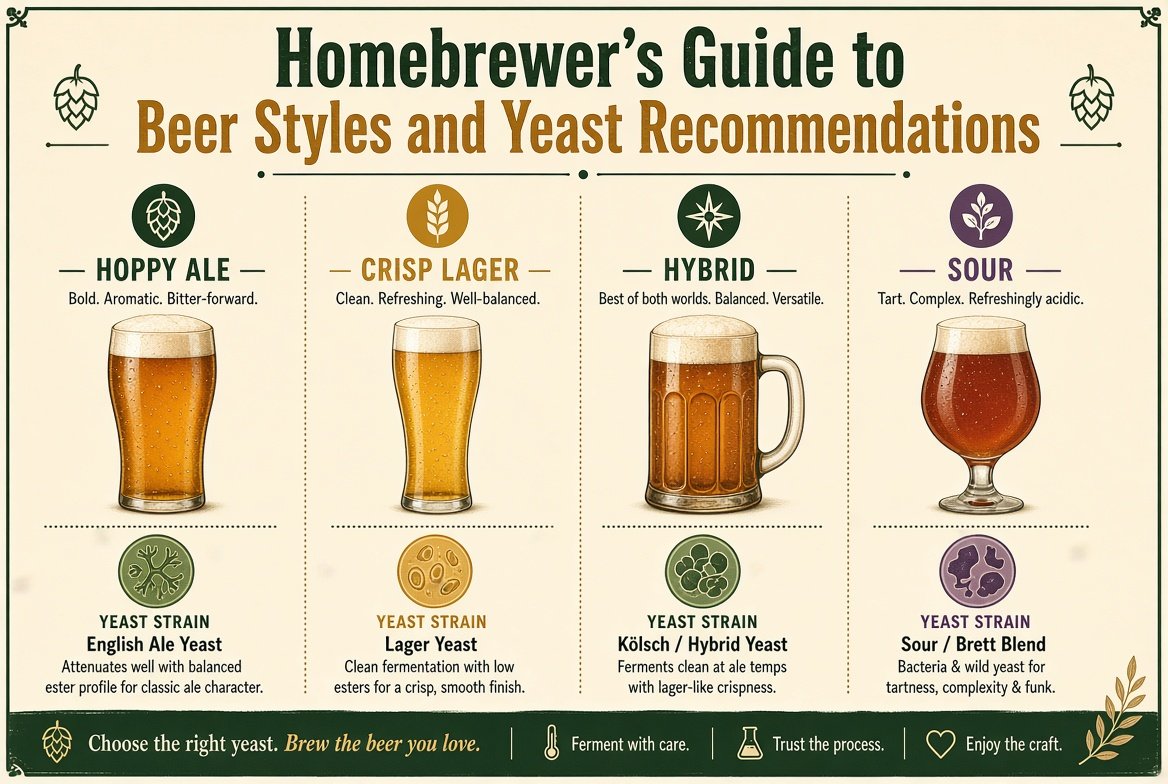
Homebrewer’s Guide to Beer Styles and Yeast Recommendations Selecting the yeast for your homebrew is one of the biggest factors determining your beer’s flavor profile, aroma, body, and finish. The right strain can make an IPA taste clean and hop-forward, give a wheat beer its signature banana and clove notes, or create the crisp finish…