
Common Homebrew Off-Flavors: What Causes Them and Can You Save the Batch?
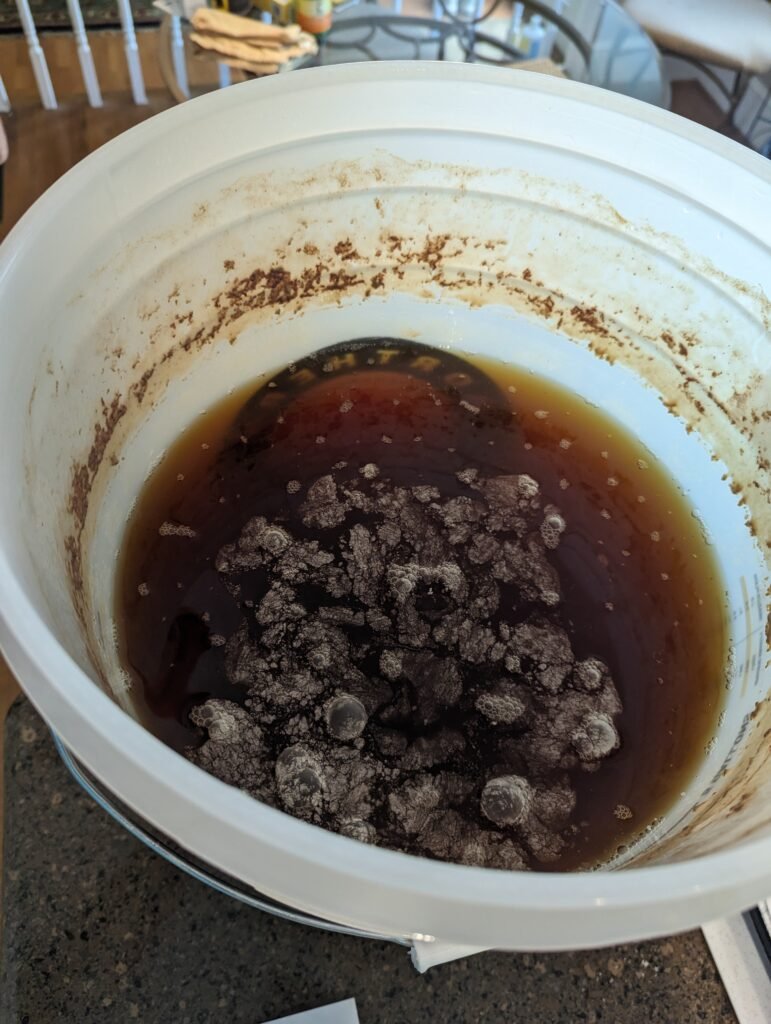
I recently opened my fermenter to transfer a batch to the bottling bucket and found a thin film across the surface. The beer tasted like vinegar. A forum suggested it was a pellicle formed by wild yeast or bacteria and that the vinegar flavor would fade if I gave it time. I waited. The vinegar taste stayed.
That batch is a good example of why it helps to identify the flavor before deciding what to do. Healthy yeast can clean up some fermentation byproducts, including buttery diacetyl and green-apple acetaldehyde. A strong vinegar flavor, especially alongside an unexpected surface film, is a different problem.
What does a film on top of homebrew mean?
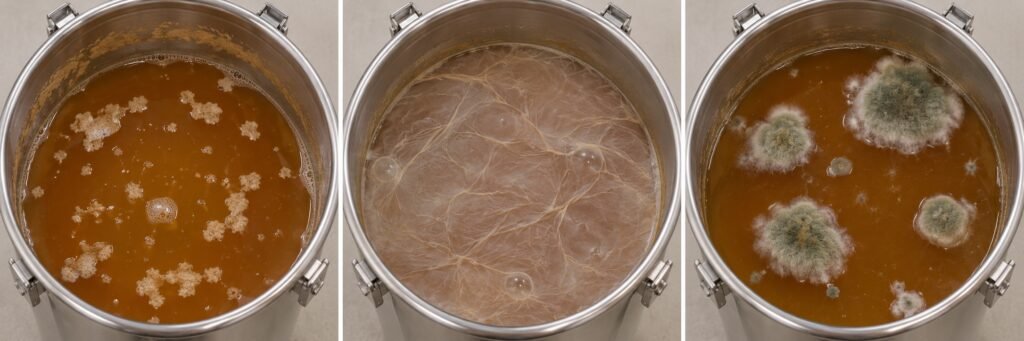
A pellicle is a film that some yeasts and bacteria can form at the surface of beer. It might look thin and smooth or wrinkled and bubbly. Brewers sometimes see one in intentionally mixed-fermentation beers. In a beer you expected to ferment cleanly, a new film plus a sharp vinegar flavor points toward spoilage. The film’s appearance alone can’t tell you which organism is present.
Vinegar’s defining flavor comes from acetic acid. Acetic acid bacteria can turn alcohol into acetic acid when oxygen is available. Skimming the film or transferring the beer from underneath it leaves the dissolved acid behind. Keeping oxygen out may limit further acetic acid production, but there’s no reliable homebrew fix that will turn a strongly vinegary batch back into the beer you intended.
For a batch like mine, I’d skip bottling and discard it. Unwanted microbes can continue fermenting in the bottle and create excess pressure. If you see fuzzy growth that looks like mold, discard the batch without tasting it.
10 Most Common off-flavors and what you can do about them
The table gives you a starting point. When two causes fit the same flavor, think about when you first noticed it. Butter in a young beer still on the yeast calls for a different response from butter that appears weeks after bottling. Beer Judge Certification Program
| Off-flavor | What you might notice | Common causes | Can this batch improve? |
| Diacetyl | Buttered popcorn, butterscotch, or a slick mouthfeel | A normal fermentation byproduct that can linger if you chill or transfer the beer before the yeast finishes. Some bacterial contamination can also produce it. | Often, if fermentation is the cause. Leave the beer on healthy yeast and give it more time before chilling or packaging. A modest temperature rise near the end of fermentation can help, especially in lagers. Butter that develops during storage calls for a closer look at sanitation and fermentation. |
| Acetaldehyde | Fresh-cut green apple, sometimes with a raw or grassy edge | Young beer, sluggish fermentation, or early transfer off the yeast. Oxidation and spoilage can also contribute. | Often in young beer. Give healthy yeast time to finish. If the note appears or intensifies after packaging, investigate oxygen exposure or contamination. |
| Hydrogen sulfide | Rotten egg or struck-drain smell | Some yeast strains, especially lager strains, produce it during fermentation. Yeast stress can contribute. | Sometimes. Mild sulfur can fade as fermentation finishes and the beer conditions. Recheck before packaging. Strong, persistent sulfur deserves further troubleshooting. |
| Dimethyl sulfide (DMS) | Cooked corn or canned vegetables | Pale malt, especially Pilsner malt, can supply precursors. A weak or covered boil and slow chilling can leave more DMS in the wort. Microbial spoilage is another possible source. | Usually persists once the beer is finished. If the recipe includes a mash with pale malt, focus on an uncovered, vigorous boil and prompt chilling next time. A faint corn note can fit some lagers. |
| Oxidation | Stale paper or cardboard, muted hop aroma, or sherry-like notes | Oxygen pickup after fermentation, often during transfers or packaging. | Generally irreversible. If the beer is otherwise sound and still tastes good enough to drink, enjoy it fresh. Next time, avoid splashing fermented beer and minimize air exposure when you transfer or package it. |
| Chlorophenols | Bandage, antiseptic, or medicinal plastic | Chlorine or chloramine in brewing water, or residue from chlorine-based cleaners. For partial-boil extract batches, check the top-off water too. | Usually persists. For the next batch, start with water free of chlorine and chloramine, including any water you add after the boil. Follow cleaner and sanitizer directions. |
| Hot or solvent-like alcohol | A harsh alcohol burn or nail polish remover | Warm fermentation or yeast stress can contribute to higher alcohols. An excess of the ester ethyl acetate can give a nail polish remover aroma. | Mild heat may mellow. Overpowering solvent character rarely becomes clean with age. Next time, pick an appropriate yeast strain and monitor the temperature of the fermenting beer. |
| Astringency | A dry, puckering feeling like oversteeped black tea | Tannins from grain husks, especially if grain is boiled or rinsed under overly alkaline conditions. Heavy hopping can also contribute to a drying sensation. | May soften a little. Pronounced grain astringency tends to linger. For extract batches with specialty grains, remove the grain bag before the boil. |
| Lightstruck beer | A skunky smell | Light reacting with hop-derived compounds. Clear and green bottles give less protection than brown bottles. | There’s no practical fix for a skunked pour. Keep beer out of direct light and store bottles in the dark. |
| Acetic acid or unexpected sourness | Sharp vinegar, or an unexpected tartness in a beer meant to taste clean | Vinegar points toward acetic acid. A softer, yogurt-like tang can come from lactic acid. Unwanted microbes can produce either kind of sourness. | Strong vinegar rarely fades to an acceptable level. If sourness is developing unexpectedly, especially with a surface film or rising carbonation, hold off on packaging. A strongly vinegary batch is one I’d discard. |
Flavor descriptions and troubleshooting are adapted from the Beer Judge Certification Program, the American Homebrewers Association, and the Brewers Association. Style matters. Clove can belong in a hefeweizen, and a little diacetyl can fit some bitters or Czech lagers. Judge the flavor against what you intended to brew. Beer Judge Certification Program
Before you bottle, decide whether to wait or start over
- Give it more time if the beer is still young and the main issue is mild butter, green apple, or fermentation sulfur. Keep it with the yeast, let fermentation finish, and check the flavor again before packaging. Beer Judge Certification Program
- Change something on the next brew if the flavor points to brewing water, light exposure, or oxygen pickup. Those are problems you can address directly once you know where to look. Beer Judge Certification Program
- Skip bottling if you suspect contamination. After a spoiled batch, take apart and clean the equipment that contacted cooled wort or beer, then sanitize it. Check the places that are easy to miss, including the fermenter spigot, its seals, the siphon, and the transfer tubing. Beer Judge Certification Program
After my vinegar batch, the question I’d ask before transferring any beer is simple: What changed since the last time I sampled it? A green-apple note that’s fading gives me a reason to wait. A new film and a vinegar taste give me a reason to put the bottling bucket away.

- Common Homebrew Off-Flavors: What Causes Them and Can You Save the Batch? – November 23, 2026
- How to Choose the Right Beer Glass for Your Homebrew – November 22, 2026
- Wit, Weisse, and Weizen Beer: What’s the Difference? – November 22, 2026
Leave a Reply