
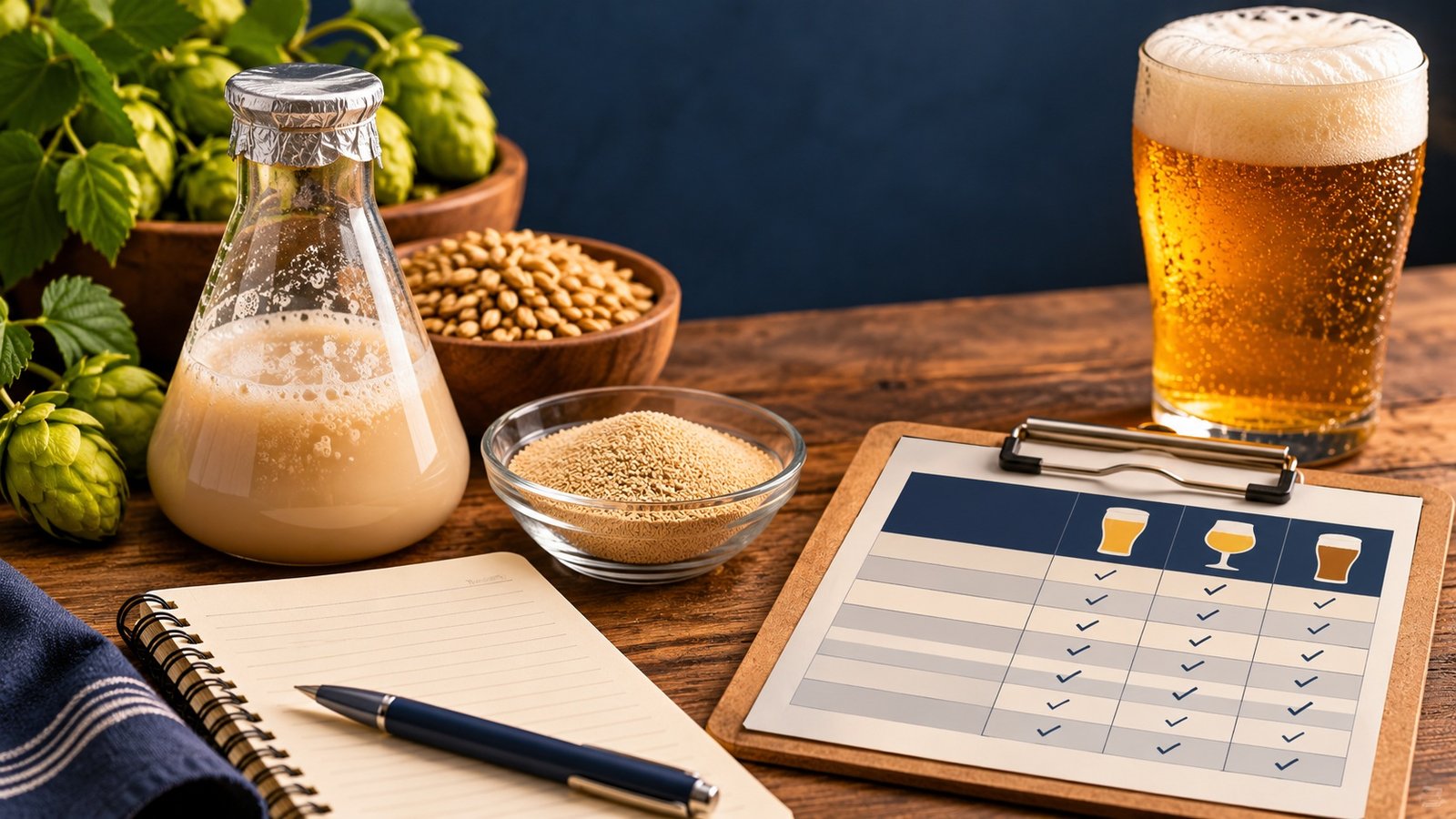
Liquid vs. Dry Yeast for Homebrewing: Differences, Pros, Cons & When to Use Each
When it comes to brewing great beer, yeast is one of the most important ingredients in your recipe. But walk into any homebrew shop, and you’ll quickly face a decision: should you use liquid yeast or dry yeast?
Both can produce excellent beer, and each has its advantages. Understanding the differences can help you choose the right yeast for your next batch without overcomplicating your brew day.
What’s the Difference Between Liquid and Dry Yeast?
The biggest difference is how the yeast is packaged and stored.
Liquid yeast contains living yeast cells suspended in a liquid medium. It’s typically sold in pouches, packs, or vials and requires refrigeration to maintain freshness.
Dry yeast has been carefully dehydrated to preserve its viability. It’s usually packaged in small, sealed packets and generally has a longer shelf life than liquid yeast.
Both perform the same essential job: converting fermentable sugars into alcohol and carbon dioxide while producing compounds that influence your beer’s flavor and aroma.
Advantages of Liquid Yeast
One of the biggest advantages of liquid yeast is the variety of strains available. Manufacturers like White Labs, Wyeast, Omega Yeast, and Imperial Yeast offer extensive selections, including specialized strains for Belgian ales, German lagers, traditional English beers, and other regional styles.
Liquid yeast is particularly appealing when you’re trying to reproduce a specific beer’s fermentation character.
Pros:
- Wide selection of traditional and specialty strains
- Excellent for style-specific flavor profiles
- Great for experimenting with different fermentation characteristics
Cons:
- Generally more expensive than dry yeast
- Shorter shelf life and more sensitive to shipping temperatures
- May require a yeast starter, depending on batch size, gravity, and yeast freshness
Advantages of Dry Yeast
Dry yeast has come a long way over the years. Today’s products from Fermentis, Lallemand, Mangrove Jack’s, and CellarScience offer excellent fermentation performance and an increasingly diverse selection of strains.
For many homebrewers, convenience is dry yeast’s biggest selling point. Most standard-strength, five-gallon batches can be fermented using an appropriate amount of dry yeast without preparing a starter.
Pros:
- Typically less expensive
- Longer shelf life and easier storage
- Convenient pitching with minimal preparation
- Reliable fermentation when properly stored and pitched
Cons:
- Fewer specialty strains available compared with liquid yeast
- Some traditional beer styles have limited dry yeast options
- Less flexibility when searching for certain distinctive yeast characteristics
Does Liquid Yeast Make Better Beer?
Not necessarily!
This is one of the biggest misconceptions in homebrewing. Liquid yeast isn’t automatically better than dry yeast, and plenty of award-winning beers are brewed using dry yeast.
What matters most is choosing a strain appropriate for your beer style and providing the right fermentation conditions.
A properly fermented American IPA using Fermentis SafAle US-05 can be every bit as enjoyable as one brewed with a comparable liquid yeast strain.
Temperature control, pitching the proper amount of healthy yeast, and good sanitation often make a bigger difference than whether your yeast started out liquid or dry.
When Should You Use Each?
Choose liquid yeast when you’re brewing a style that benefits from a specific traditional strain, experimenting with unique flavor profiles, or looking for a yeast unavailable in dry form.
Choose dry yeast when convenience, affordability, and reliable fermentation are priorities. It’s an excellent choice for everyday brewing, especially American ales, English bitters, wheat beers, and many lagers.
The Bottom Line
There’s no universal winner in the liquid versus dry yeast debate. Both have earned their place in homebrewing, and keeping a few favorite strains of each on hand gives you plenty of flexibility.
The best yeast is the one that fits your recipe, fermentation setup, and brewing goals.
Looking for an alternative to a yeast strain in your favorite recipe? Check out our Beer Yeast Substitution Database to compare liquid and dry yeast options. You can also explore our Guide to Popular Homebrewing Yeast Brands to learn more about the manufacturers behind these strains.
Leave a Reply