
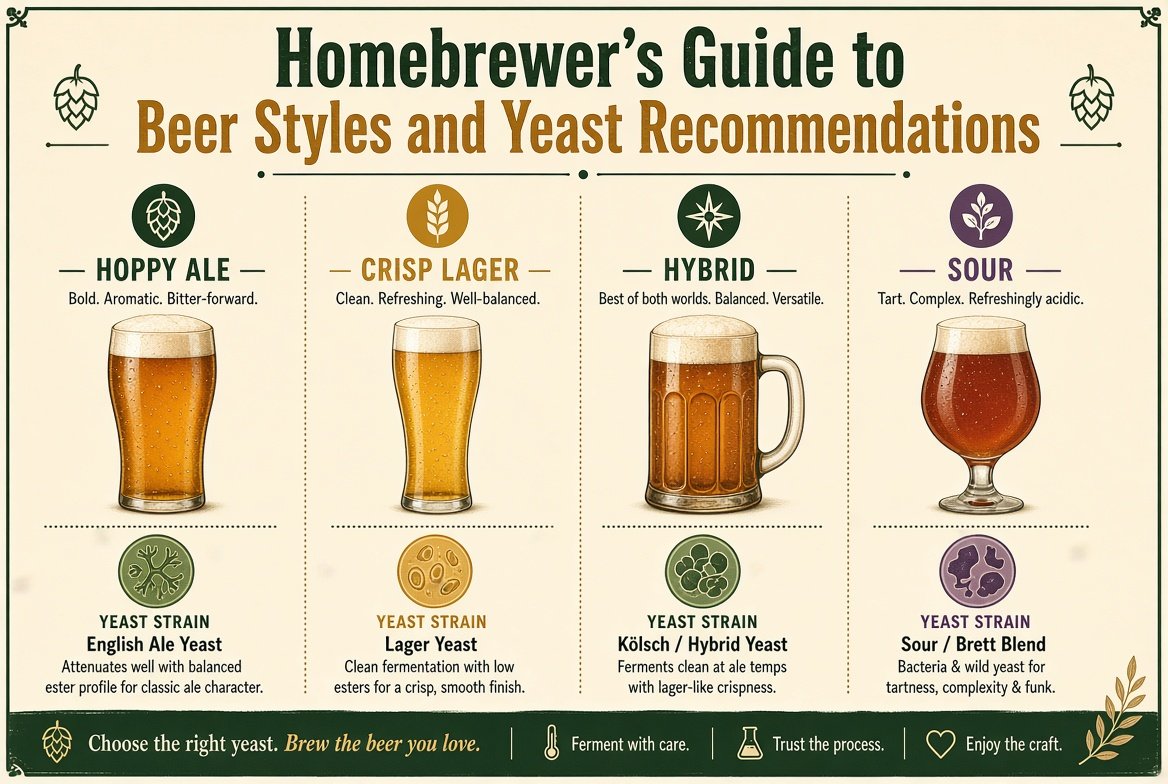
Homebrewer’s Guide to Beer Styles and Yeast Recommendations
Selecting the yeast for your homebrew is one of the biggest factors determining your beer’s flavor profile, aroma, body, and finish. The right strain can make an IPA taste clean and hop-forward, give a wheat beer its signature banana and clove notes, or create the crisp finish of a Czech pilsner.
I’ve used strains from established brands such as White Labs, Wyeast, Omega, Lallemand, and Fermentis, as well as other widely used yeast brands. As with most homebrewing options, these are style-appropriate starting points, not rigid rules.
Below is a practical guide to 16 of the most popular homebrew beer styles, with two liquid yeast recommendations and one dry yeast recommendation for each style.
1. Ales: pale ales, IPAs, stouts, and more
Ales generally ferment warmer than traditional lagers and offer a wide range of yeasts that affect the final characteristics of your beer. The temperatures are starting ranges only. Follow the specific yeast manufacturer’s guidance.
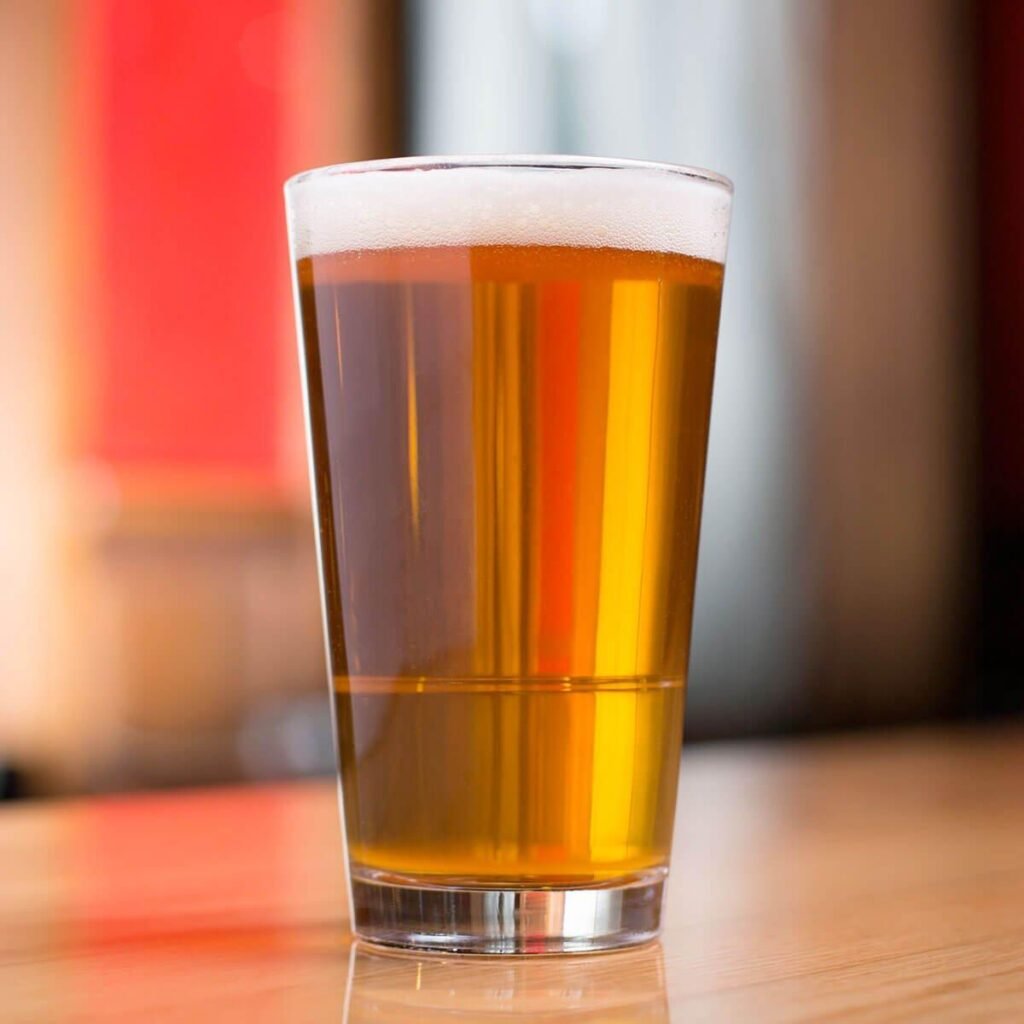
American Pale Ale
Clean, balanced, citrusy, moderately bitter.
- Liquid: Wyeast 1056 American Ale — clean fermentation that lets malt and hops shine.
- Liquid: White Labs WLP001 California Ale — classic neutral profile with good hop expression.
- Dry: SafAle US-05 — versatile, clean, and convenient.
Typical fermentation: 64–70°F
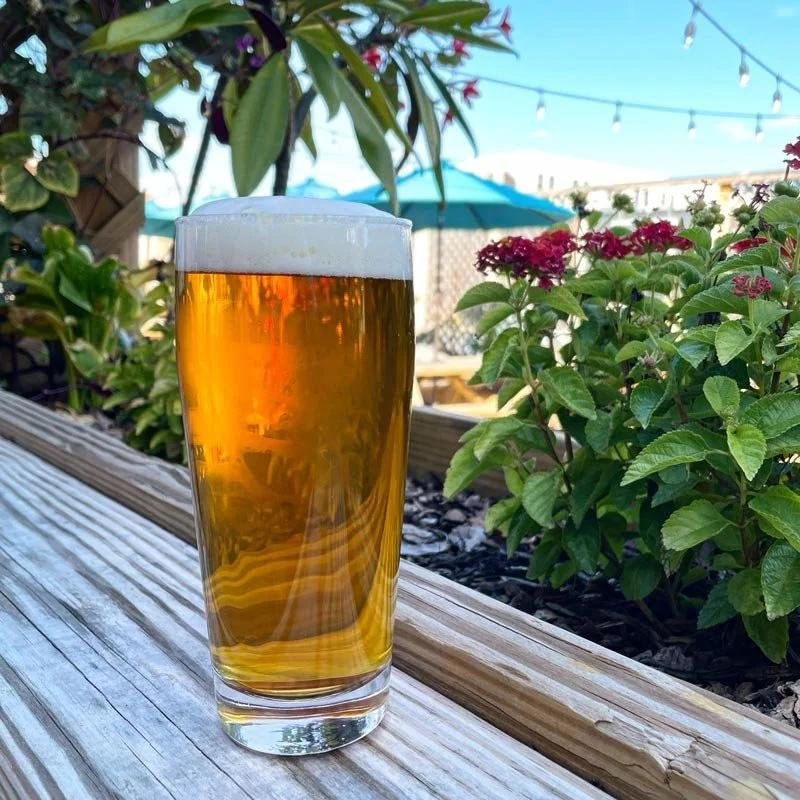
American IPA / West Coast IPA
Hop-forward, dry, crisp, often citrusy.
- Liquid 1: Wyeast 1056 American Ale — restrained yeast character.
- Liquid 2: White Labs WLP090 San Diego Super Yeast — highly attenuative, clean finish.
- Dry: Lallemand BRY-97 — American ale yeast suited to hop-forward beers.
Typical fermentation: 64–70°F
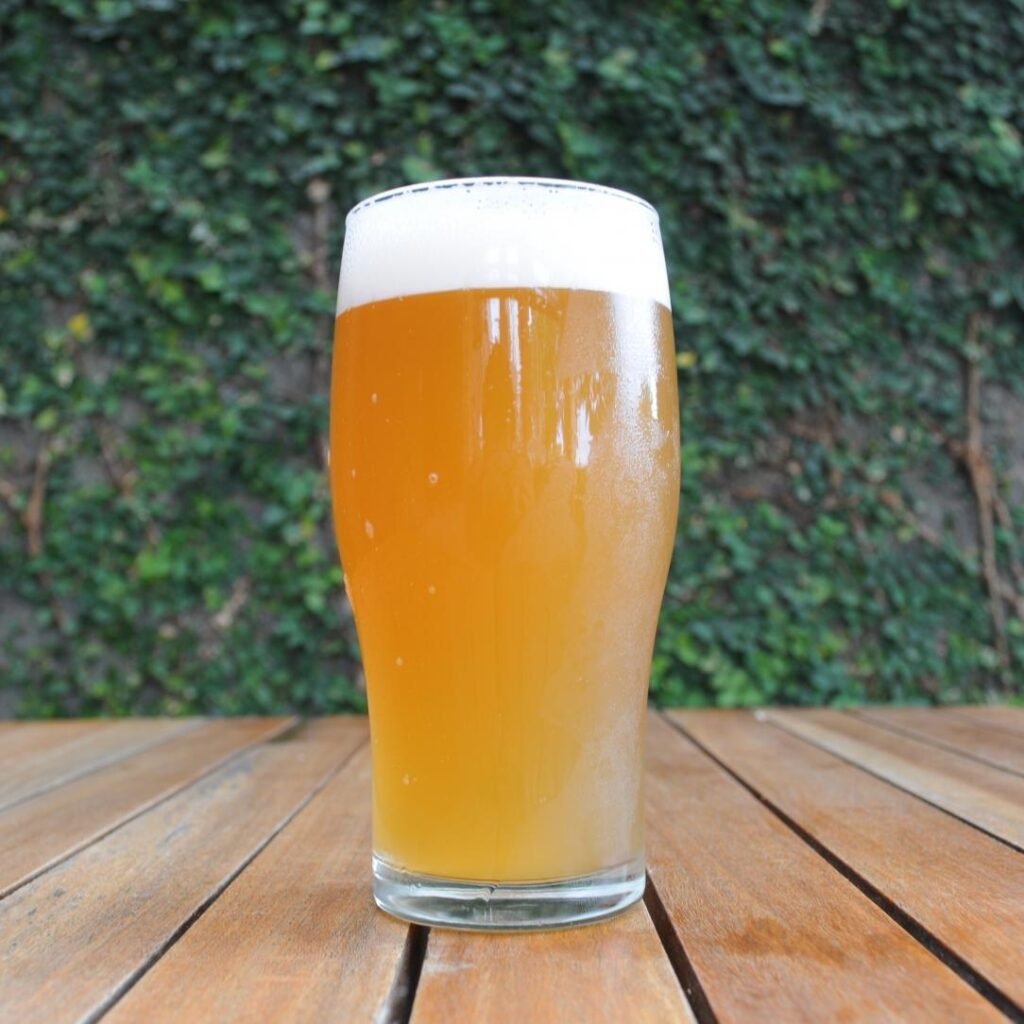
New England IPA (NEIPA – Hazy IPA)
Hop-forward, dry, crisp, often piney or citrusy.
- Liquid 1: Wyeast 1056 American Ale — restrained yeast character.
- Liquid 2: White Labs WLP090 San Diego Super Yeast — highly attenuative, clean finish.
- Dry: Lallemand BRY-97 — American ale yeast suited to hop-forward beers.
Typical fermentation: 64–70°F
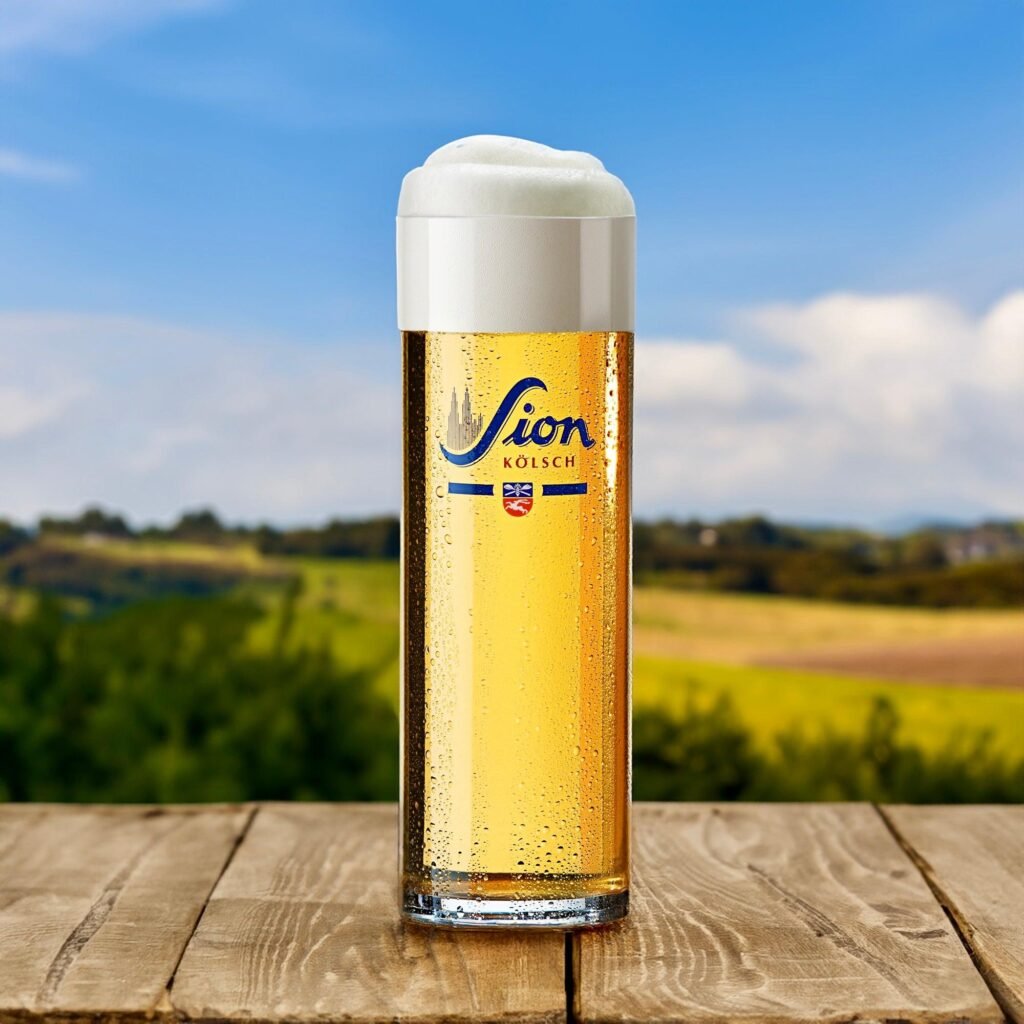
Kölsch
Delicate fruitiness, pale malt, crisp finish.
- Liquid 1: Wyeast 2565 Kölsch — traditional soft, fruity character.
- Liquid 2: White Labs WLP029 German Ale/Kölsch — clean, lightly fruity profile.
- Dry: Safale K-97 — dry yeast option widely used for Kölsch.
Typical fermentation: 60–65°F, followed by cold conditioning.
NOTE: I have also used Omega Kölsch II (OYL-044) with great results. It can ferment a bit warmer, between 65 and 69 °F.
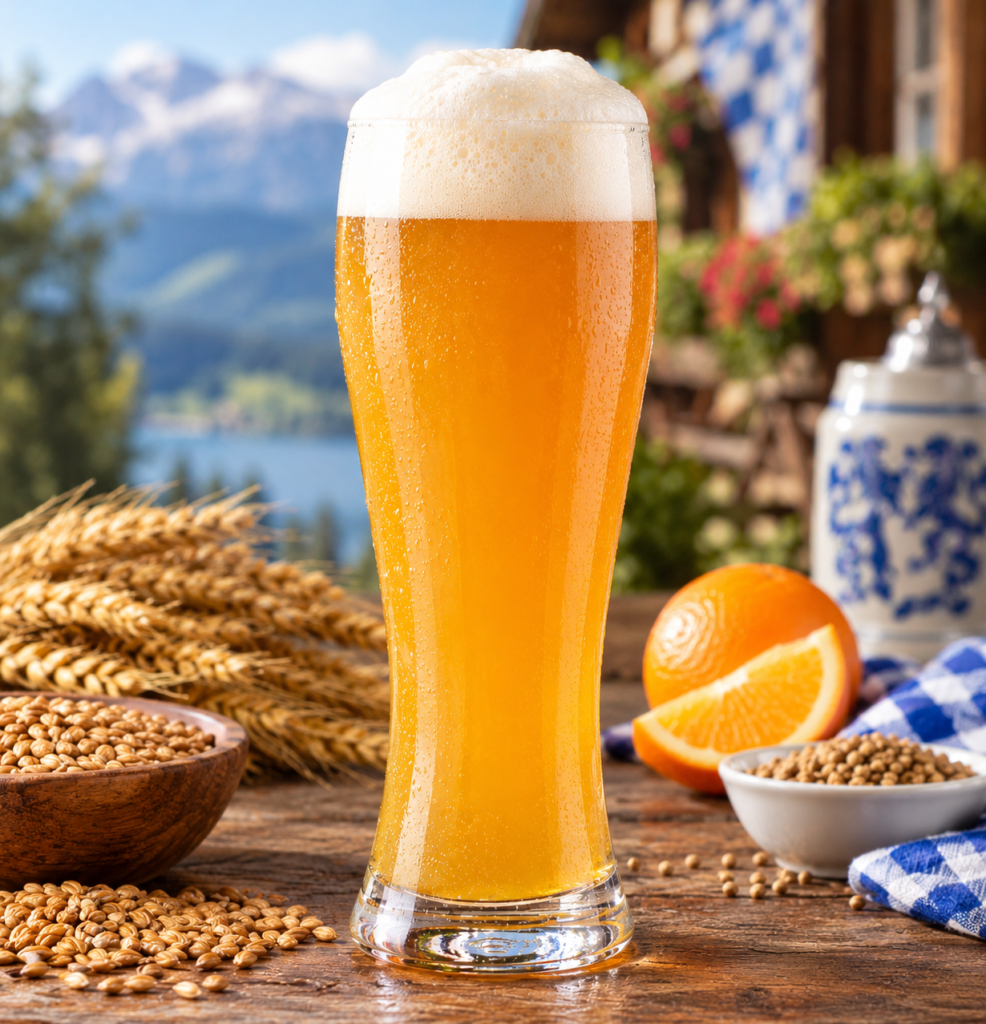
German Hefeweizen
Banana, clove, wheat, fluffy foam.
- Liquid 1: Wyeast 3068 Weihenstephan Weizen — classic banana-and-clove profile.
- Liquid 2: White Labs WLP300 Hefeweizen Ale — traditional German wheat-beer character.
- Dry: Lallemand Munich Classic — a strong choice for authentic wheat-beer flavors.
Typical fermentation: 62–70°F (17–21°C); temperature influences banana and clove balance.
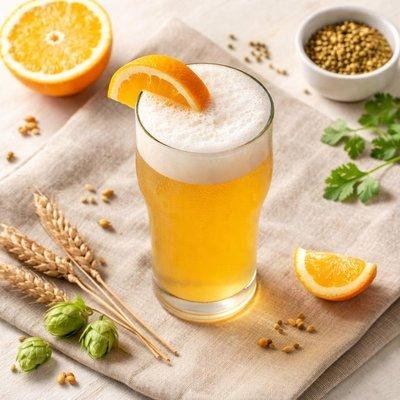
Belgian Witbier
Light wheat, citrus, coriander, delicate spice.
- Liquid 1: Wyeast 3944 Belgian Witbier — classic witbier fermentation character.
- Liquid 2: White Labs WLP400 Belgian Wit Ale — traditional Belgian wheat-beer profile.
- Dry: Lallemand Wit — convenient dry yeast formulated for witbier.
Typical fermentation: 64–72°F
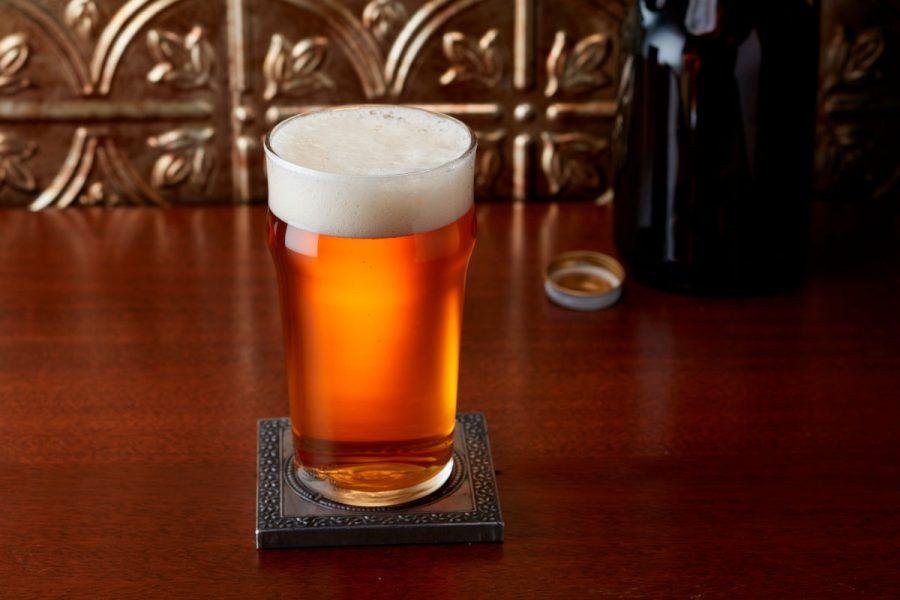
English Bitter – ESB
Bready malt, earthy hops, gentle fruity esters.
- Liquid 1: Wyeast 1968 London ESB Ale — rich malt character and excellent flocculation.
- Liquid 2: White Labs WLP002 English Ale — malty, rounded, and traditional.
- Dry: SafAle S-04 — English-style fruitiness with fast settling.
Typical fermentation: 64–70°F.0°F
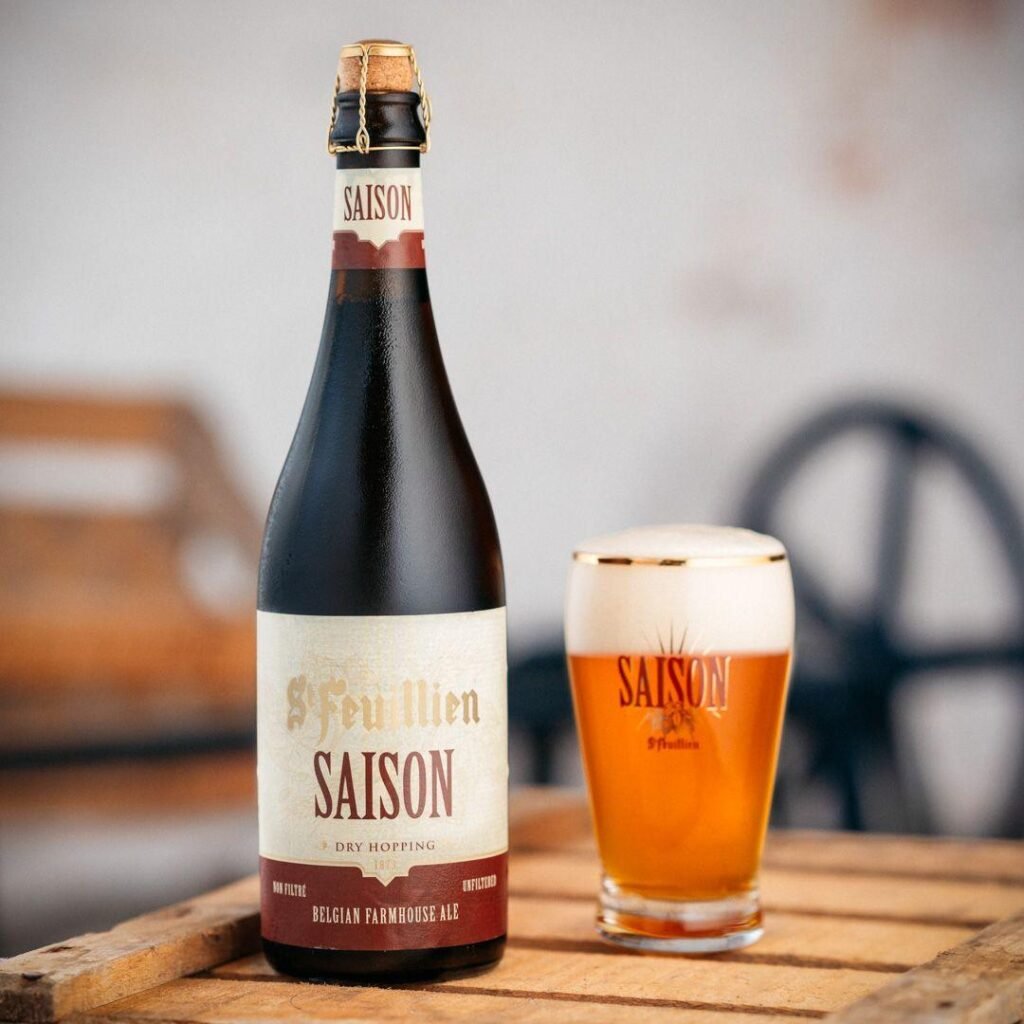
Saison / Farmhouse Ale
Peppery, dry, fruity, refreshing.
- Liquid 1: Wyeast 3711 French Saison — dry finish and reliable attenuation.
- Liquid 2: White Labs WLP565 Belgian Saison I — classic peppery saison character.
- Dry: Lallemand Belle Saison — convenient, highly attenuative saison yeast.
Typical fermentation: 68–82°F (20–28°C), depending on strain.
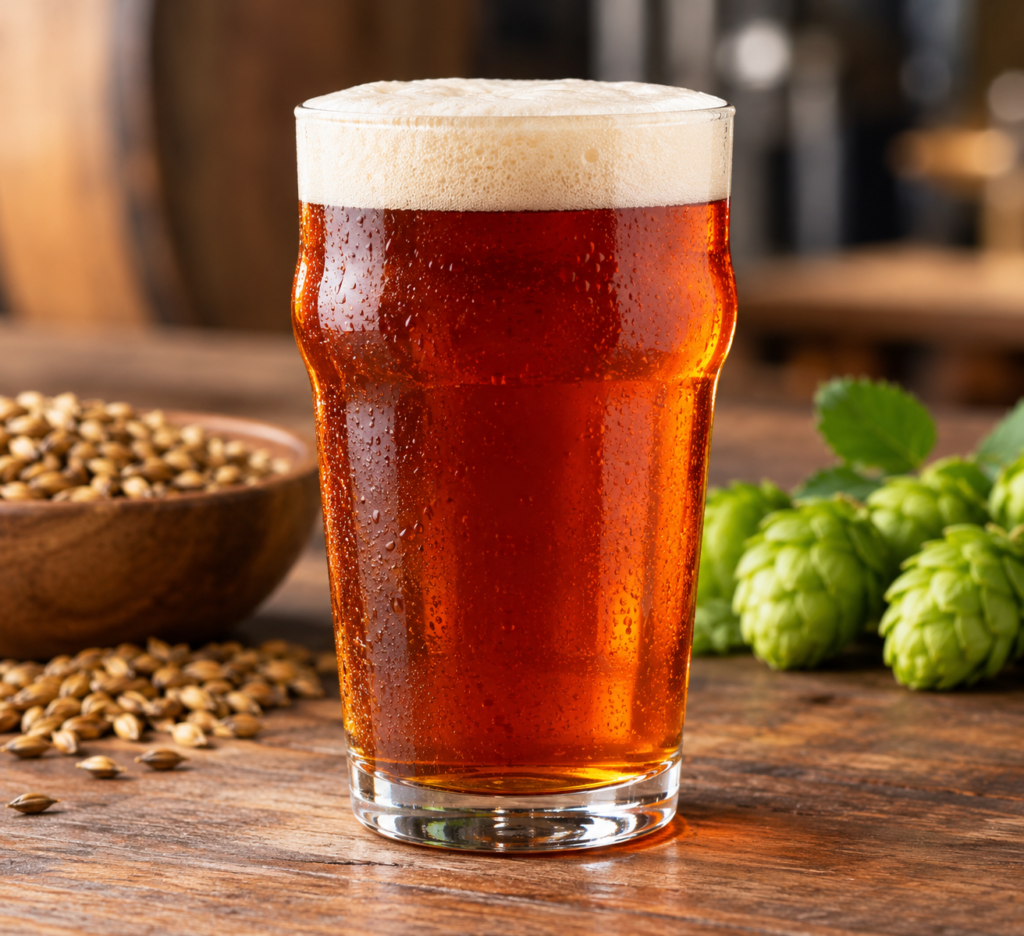
American Amber Ale
Caramel malt, toasted notes, balanced hops.
- Liquid 1: Wyeast 1056 American Ale — keeps the malt and hops distinct.
- Liquid 2: White Labs WLP001 California Ale — clean and versatile.
- Dry: SafAle US-05 — reliable for a balanced amber ale.
Typical fermentation: 64–70°F
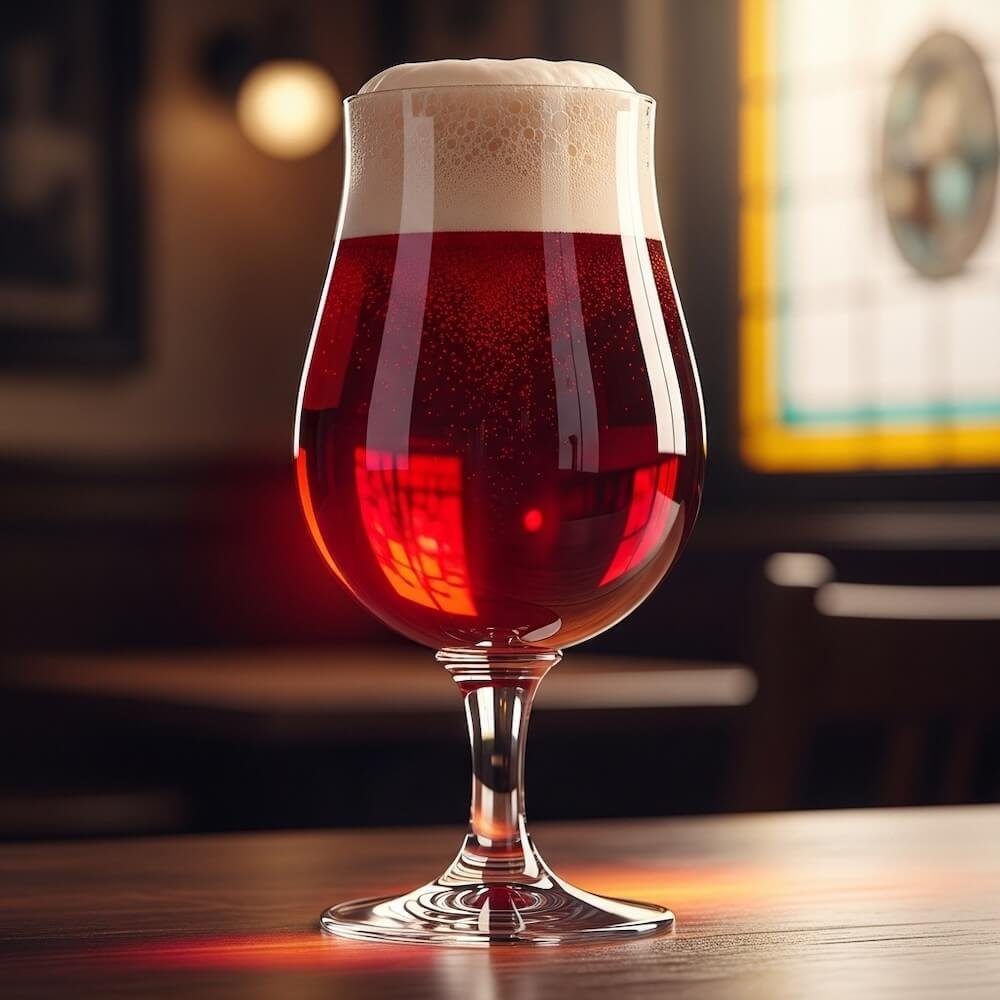
Belgian Dubbel – Tripel
Fruity esters, spice, complex malt; tripel is lighter in color but stronger.
- Liquid 1: Wyeast 1214 Belgian Abbey — rich fruity and spicy Belgian character.
- Liquid 2: White Labs WLP530 Abbey Ale — well suited to traditional abbey ales.
- Dry: Fermentis SafAle BE-256 — a good choice for Belgian abbey-style beers.
Typical fermentation: 66–78°F (19–26°C), often starting cooler and rising gradually.
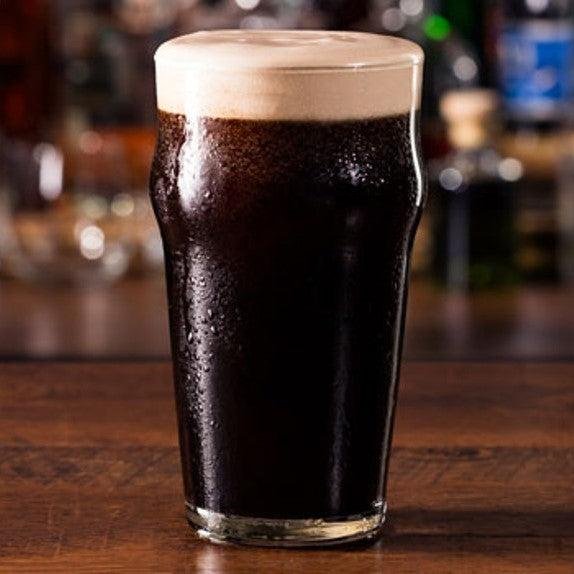
Porter
Chocolate, toast, roasted malt, sometimes caramel.
- Liquid 1: Wyeast 1968 London ESB Ale — rounds out the malt profile.
- Liquid 2: White Labs WLP002 English Ale — rich, malt-supporting character.
- Dry: SafAle S-04 — classic English-style option.
Typical fermentation: 64–68°F.
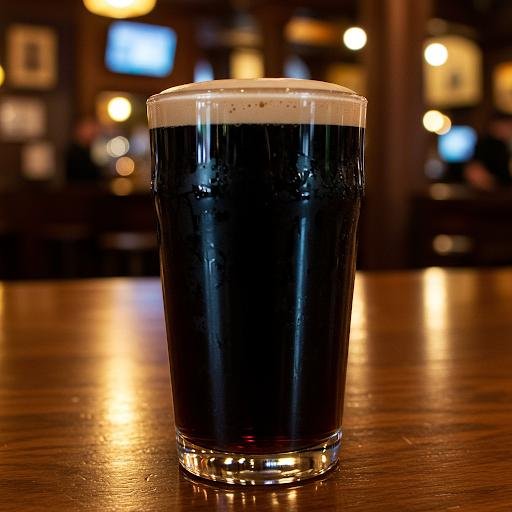
Stout (Dry Irish or Oatmeal)
Roast coffee, cocoa, dark grains, creamy or dry finish.
- Liquid 1: Wyeast 1084 Irish Ale — traditional stout-friendly profile.
- Liquid 2: White Labs WLP004 Irish Ale — suitable for Irish stout and dark ales.
- Dry: SafAle S-04 — dependable English-style fermentation.
Typical fermentation: 64–68°F
2. Lagers: pilsners, helles, amber lagers, and more
Lagers typically require cooler fermentation, careful temperature control, and often a period of cold conditioning, called lagering.
These lager recommendations align with manufacturer guidance on clean, malty, and hop-forward lager fermentation. The temperatures below are starting ranges; follow the specific yeast manufacturer’s guidance.
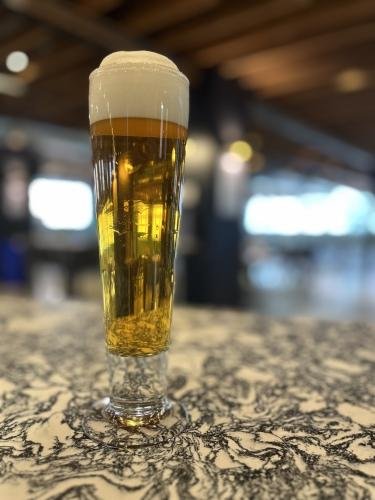
Czech Pilsner
Rich malt, spicy Saaz hops, crisp bitterness.
- Liquid 1: Wyeast 2124 Bohemian Lager — balanced malt character and a crisp finish.
- Liquid 2: White Labs WLP800 Pilsner Lager — classic Czech-style pilsner profile.
- Dry: Fermentis SafLager W-34/70 — versatile, clean lager yeast.
NOTE: This is one of my favorite styles. I have had great results using Imperial Urkel yeast.
Typical fermentation: 48–55°F
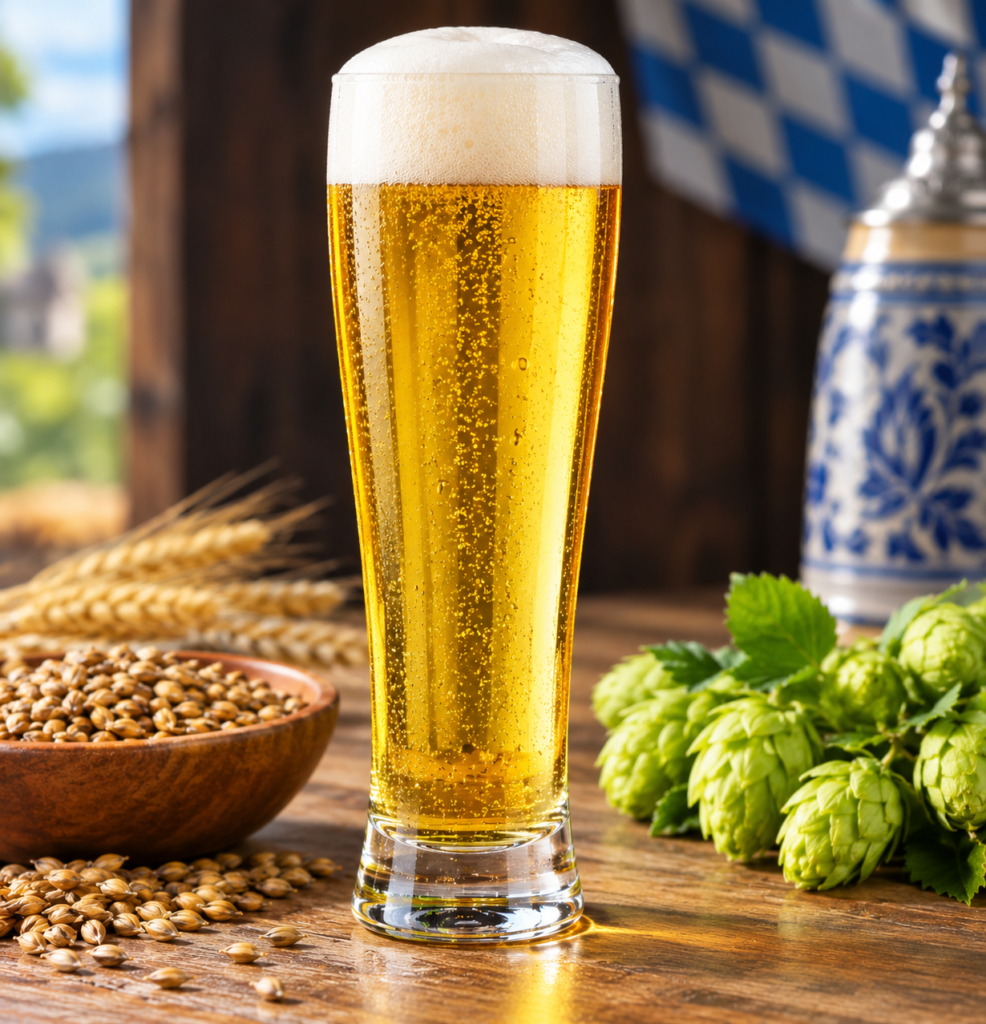
German Pilsner
Pale, dry, crisp, with firm hop bitterness.
- Liquid 1: White Labs WLP830 German Lager — clean, traditional German lager character.
- Liquid 2: Wyeast 2124 Bohemian Lager — a versatile alternative for a crisp pilsner.
- Dry: Fermentis SafLager W-34/70 — neutral and dependable.
Typical fermentation: 48–54°F
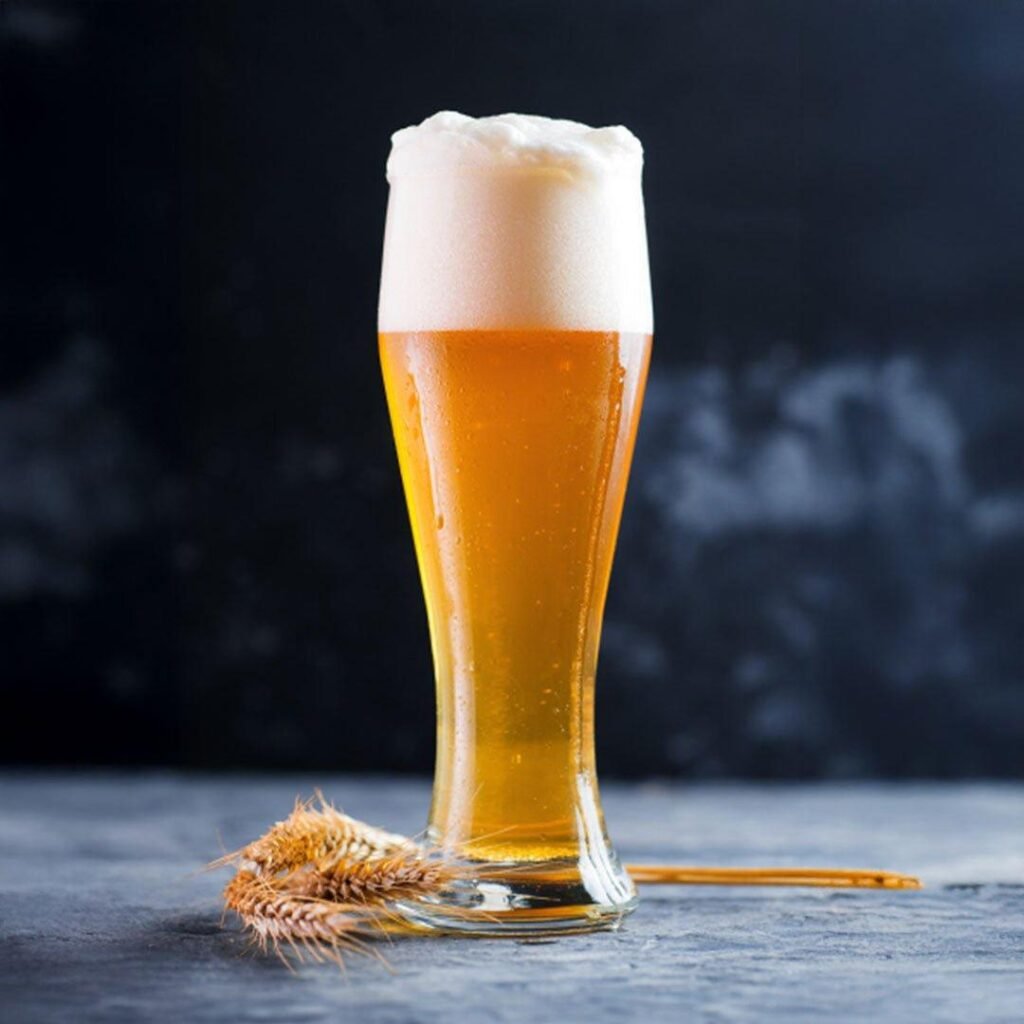
Munich Helles
Soft malt sweetness, breadiness, restrained bitterness.
- Liquid 1: Wyeast 2206 Bavarian Lager — malty, traditional lager character.
- Liquid 2: White Labs WLP838 Southern German Lager — rounded malt profile.
- Dry: Fermentis SafLager W-34/70 — clean enough to showcase the malt.
Typical fermentation: 48–54°F
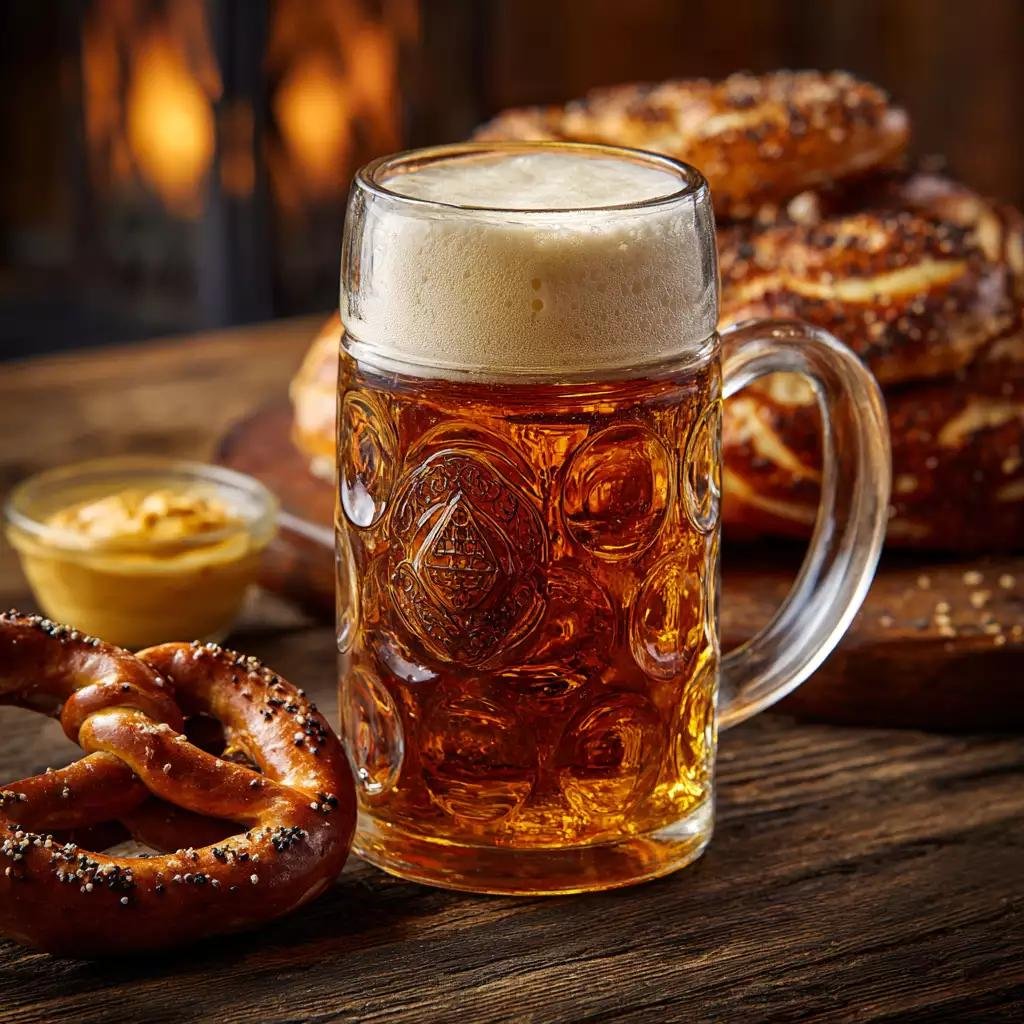
Oktoberfest / Märzen
Toasty bread crust, rich malt, copper color.
- Liquid 1: Wyeast 2206 Bavarian Lager — complements malt-forward recipes.
- Liquid 2: White Labs WLP833 German Bock — rich malt character and balance.
- Dry: Fermentis SafLager W-34/70 — a versatile choice for amber lagers.
Typical fermentation: 48–54°F
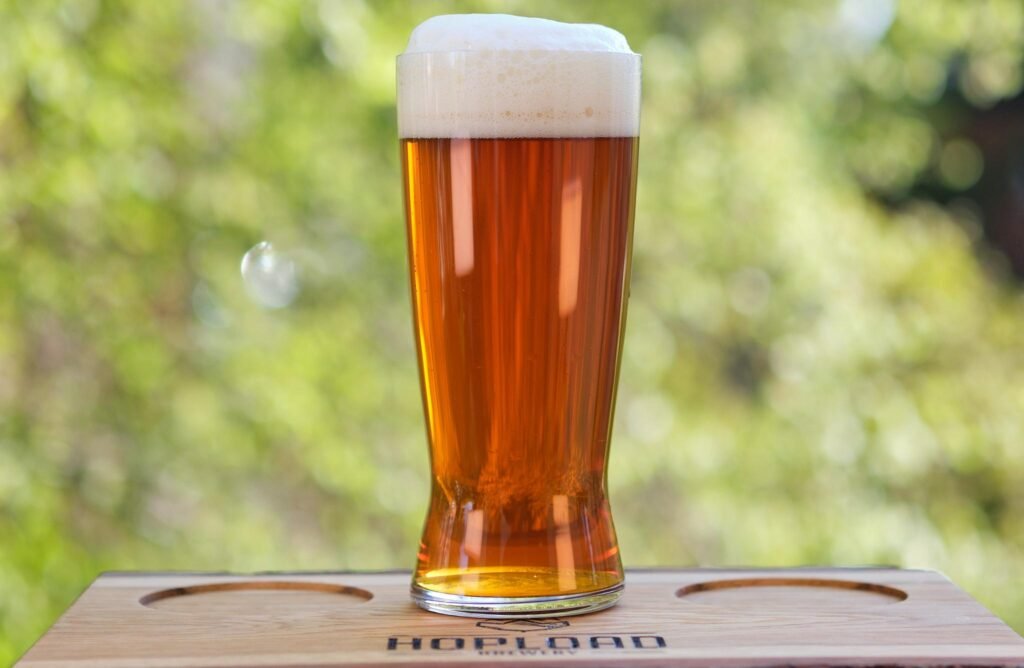
Vienna Lager
Toasted bread, subtle caramel, smooth finish.
- Liquid 1: Wyeast 2308 Munich Lager — rounded malt expression.
- Liquid 2: White Labs WLP833 German Bock — full, malt-focused character.
- Dry: Fermentis SafLager S-23 — an option for a slightly more expressive lager.
Typical fermentation: 48–55°F
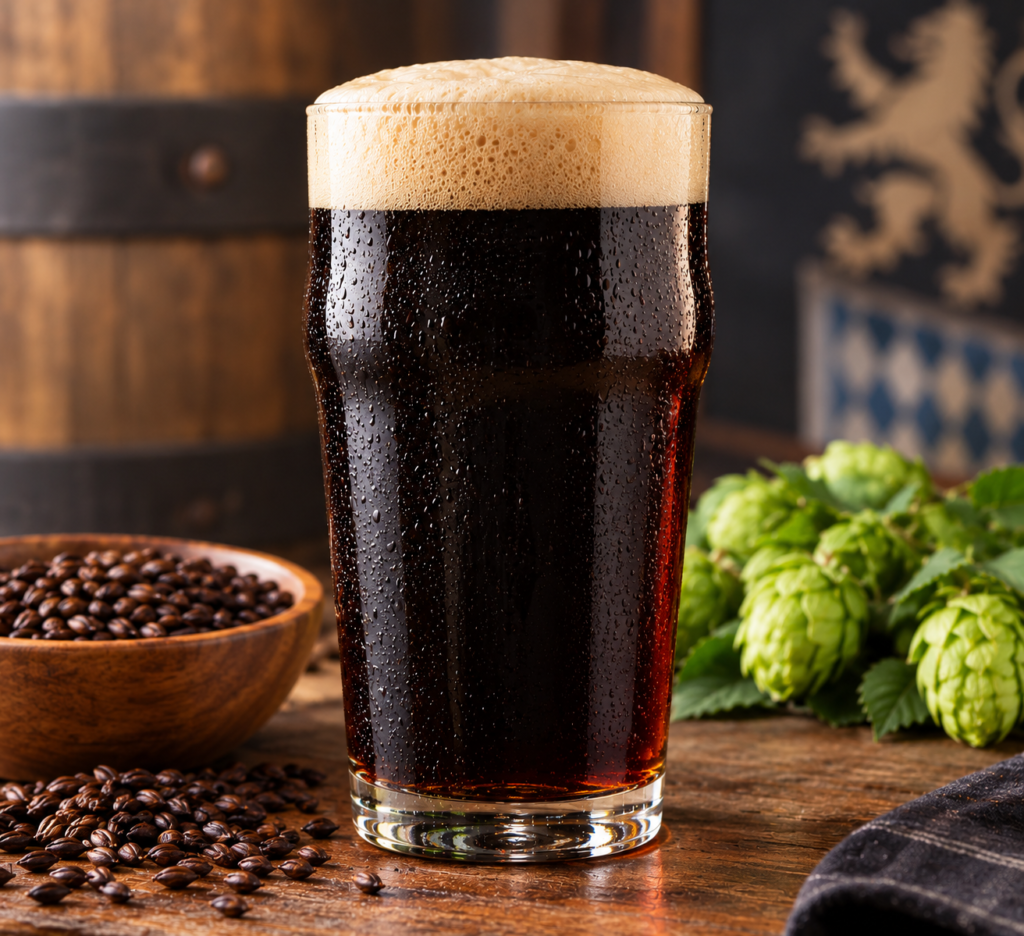
Schwarzbier (Black Lager)
Dark color, gentle roast, clean lager finish.
- Liquid 1: Wyeast 2206 Bavarian Lager — supports a smooth malt profile.
- Liquid 2: White Labs WLP830 German Lager — clean fermentation character.
- Dry: Fermentis SafLager W-34/70 — ideal for keeping roast flavors restrained.
Typical fermentation: 48–54°F
If you are new to homebrewing, here are a few all-purpose yeast strains that work well with many popular beer styles.
SafAle US-05 Best all-purpose dry ale yeast. Its neutral profile is a great baseline for experimenting with hops and malt.
SafAle S-04 Also known as US-04 – It is a fast-fermenting dry ale yeast that is great for British-style ales like ESB’s, Porters, Brown Ales, and English Pale Ales.
Wyeast 1056 American Ale — In our opinion, this is the best all-purpose liquid ale yeast
SafLager W-34/70 – Great all-purpose dry lager yeast. A dependable choice for pilsners, helles, Vienna lagers, Märzen, and other clean lager styles. It can also handle warmer fermenting temperatures for the primary fermentation period.
3. A few important yeast-selection tips
- Liquid versus dry: Liquid yeast offers a broad range of specialty strains. Dry yeast is convenient, stores well when handled correctly, and often avoids the need for a starter for ordinary-strength batches when pitched at the manufacturer’s recommended rate.
- Temperature matters: Fermenting too warm can create unwanted fusel alcohols (smells like paint thinner) and esters (off-flavors); too cold can slow fermentation or cause incomplete attenuation.
- Pitch enough yeast: Higher-gravity beers and cold-fermented lagers may need more yeast than a standard-strength ale. Recipe sheets typically offer dosage guidance. Or, go to the yeast manufacturer’s website and find their pitching rate calculator.
- Don’t rush fermentation! Wait for stable gravity readings before packaging. Some styles also benefit from a diacetyl rest or cold conditioning.
- Check strain availability: Suppliers periodically discontinue or rotate particular strains, so verify current availability before building a recipe around a specialty liquid yeast.
Many of our top online beer supply stores carry a wide variety of liquid and dry yeasts. I recommend you become familiar with the strains available for your favorite beer styles.